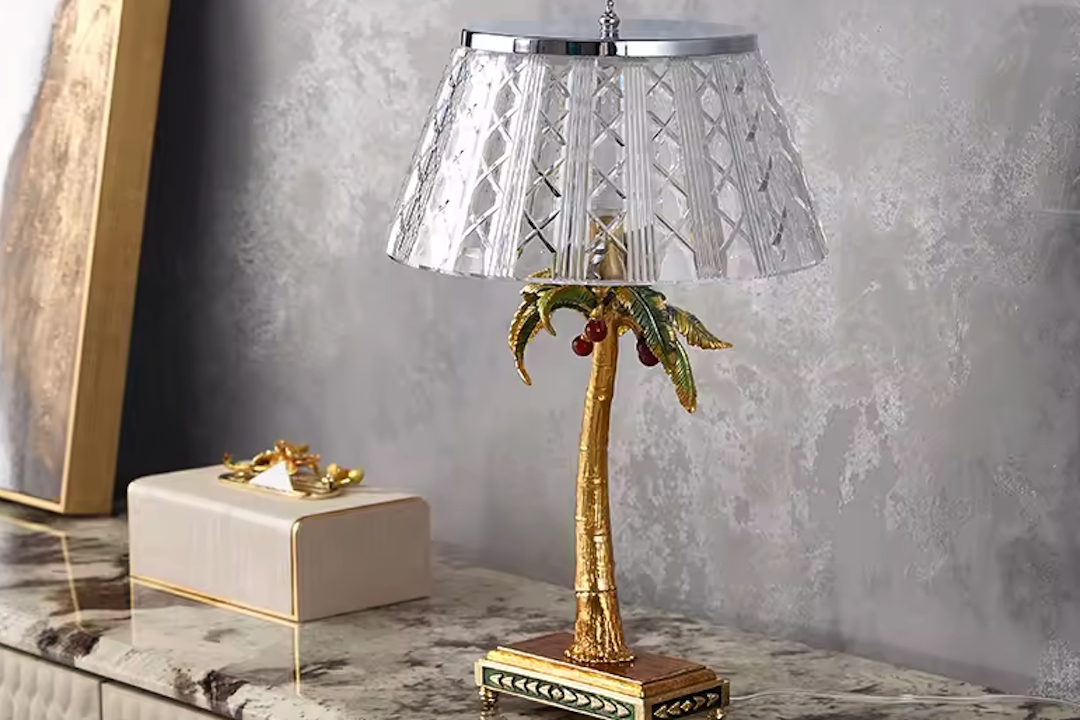
The “Unique Hand-Painted Enamel Metal Lamp” refers to an object of illumination characterized by its individual artistic application of vitreous enamel onto a metallic substrate. This article will explore the historical context, materials, processes, artistic styles, and conservation considerations associated with such lamps.
Enameled objects have a long and diverse history, dating back to ancient civilizations. The technique of fusing powdered glass to a metal surface for decorative and protective purposes originated in regions such as Greece, Egypt, and China. Early forms of enameling, like cloisonné and champlevé, were labor-intensive and often reserved for religious artifacts, jewelry, and high-status objets d’art.
Early Enameling Techniques
- Cloisonné: This method involves creating compartments (cloison) on a metal base, typically copper or bronze, by soldering thin wires or strips of metal edgewise. These compartments are then filled with powdered enamel and fired to fuse the glass. The wires remain visible, outlining the design.
- Champlevé: In champlevé enameling, depressions are carved, etched, or cast into the surface of a metal object. These recessed areas are then filled with enamel and fired. The raised portions of the metal serve as outlines or borders for the enamel.
Evolution Towards Decorative Lamps
While early enameling focused on small, precious items, the 17th and 18th centuries saw an expansion in the application of enamel to larger objects, including furniture accents and, eventually, lighting fixtures. The development of industrial processes and improved enamel formulations contributed to this broader application. The rise of artistic movements such as Art Nouveau and Art Deco in the late 19th and early 20th centuries further popularized the use of enamel in decorative arts, including lamps 88off, due to its ability to render vibrant colors and intricate designs.
Materials and Construction
The creation of a hand-painted enamel metal lamp involves a specific set of materials and a detailed construction process. Understanding these components is crucial to appreciating the object itself.
Metal Substrate Selection
The choice of metal for the lamp’s structure and enameled surfaces is critical. Common choices include:
- Copper: Highly ductile and an excellent conductor of heat, copper is frequently used due to its malleability and ability to bond well with enamel. Its reddish hue can also subtly influence the fired enamel’s color.
- Brass: An alloy of copper and zinc, brass offers durability and can withstand the firing temperatures. Its golden luster, when polished, can complement the enameled sections.
- Steel/Iron: While less common for the enameled sections themselves due to higher oxidation rates at firing temperatures, steel or iron might be used for structural components of the lamp, such as the base or stem, which are then treated or painted separately.
- Precious Metals (Silver/Gold): Occasionally used for high-end or bespoke lamps, these metals provide a luxurious base but significantly increase the cost and technical difficulty of enameling.
Enamel Composition and Types
Enamel, in this context, refers to powdered glass. Its composition determines its firing temperature, transparency, and color.
- Flux (Silica, Borax, Lead Oxide): These components lower the melting point of the glass and contribute to its transparency and workability. Lead oxide, while historically common, is less frequently used in contemporary enameling due to health concerns, with lead-free alternatives gaining prominence.
- Colorants (Metal Oxides): Various metal oxides are added to create specific colors. For example, cobalt produces blues, iron can create reds and browns, and copper can result in greens or reds depending on oxidation states.
- Opacity Agents: Opacifiers like tin oxide are added to create opaque enamels, which block light and allow for solid color coverage.
- Transparency: Enamels can range from transparent, allowing the underlying metal to show through, to translucent, which diffuses light, and opaque, which completely covers the metal. Hand-painted lamps often utilize a combination of these for varied effects.
Electrical Components
Modern lamps, including enameled ones, incorporate standard electrical fittings that comply with safety regulations. These include:
- Lamp Holder (Socket): Designed to accommodate specific bulb types (e.g., E26/E27, B22).
- Wiring: Insulated electrical cables to transmit power.
- Switch: For turning the lamp on and off.
- Plug: For connecting to a power outlet.
- Cord: The insulated electrical wire connecting the lamp to the power source.
The Hand-Painting and Enameling Process
The creation of a hand-painted enamel metal lamp is an iterative process that demands precision and patience. Each layer of enamel and brushstroke undergoes a transformation in the kiln, a delicate dance between artist and fire.
Preparation of the Metal Surface
Before enameling, the metal substrate requires meticulous preparation to ensure proper adhesion of the enamel.
- Cleaning: The metal must be thoroughly degreased and cleaned to remove any oils, dirt, or oxides that could prevent the enamel from bonding. This often involves pickling in acid solutions or mechanical abrasion.
- Shaping: If the lamp’s form involves complex curves or three-dimensional elements, the metal is shaped prior to enameling.
- Counter-Enameling: For flat or slightly curved pieces, the back surface is often enameled (counter-enameled) to prevent warping during firing and to provide structural stability. This acts as a counterweight to the enamel’s tension on the front.
Application of Enamel
The application of enamel is a multi-stage process, with repeated layering and firing.
- Base Coat Application: A foundational layer of enamel, often opaque or translucent, is applied evenly to the prepared metal surface. This can be done by sifting dry powder, wet-laying (mixing powder with a binder like water or gum tragacanth), or spraying.
- Firing the Base Coat: The piece is then placed in a kiln, typically heated to temperatures between 750°C and 900°C (1380°F to 1650°F), where the powdered glass fuses to the metal, forming a solid, vitreous layer. This process is repeated for each layer.
- Hand-Painting Details: This is where the “hand-painted” aspect emerges. Using various brushes and powdered enamels mixed with suitable mediums (e.g., oil of lavender, water-soluble binders), the artist meticulously applies designs, patterns, and imagery directly onto the fired enamel surface. Each color or detail often requires a separate application and firing.
- Intermediate Firings: After each significant layer of painting, the lamp component is fired again. This fuses the new enamel to the previous layer without blurring or blending the colors unless desired. This iterative firing process allows for the creation of depth and intricate detail.
- Final Firing and Polishing: Once all desired layers and details are applied and fired, the piece undergoes a final firing to ensure a cohesive, durable finish. After cooling, the enameled surface may be gently polished to enhance its luster.
Artistic Styles and Design Elements
The hand-painted enamel metal lamp serves as a canvas for a diverse range of artistic expressions, reflecting various historical periods and individual artistic visions. The choice of imagery, color palette, and enamel type significantly influences the lamp’s aesthetic.
Influence of Art Movements
- Art Nouveau: Characterized by organic forms, flowing lines, and natural motifs (flowers, insects, human figures), Art Nouveau lamps often feature vibrant, jewel-toned enamels and intricate, asymmetrical designs. The enamel would often complement the curvilinear metalwork.
- Art Deco: In contrast, Art Deco favors geometric patterns, bold colors, and streamlined forms. Enameled lamps from this period might incorporate strong linear designs, stylized motifs (e.g., sunbursts, chevrons), and a more restrained but impactful color palette.
- Historical Revivalism: Some lamps draw inspiration from older styles, such as Rococo or Neoclassical, reinterpreting historical motifs with enamel techniques.
- Contemporary Art: Modern enameled lamps can range from abstract designs to minimalist forms, utilizing enamel’s versatility to create unique textures and color fields.
Common Design Motifs
- Flora and Fauna: Botanical themes, including flowers, leaves, and vines, are perennial favorites, as are depictions of birds, insects, and other animals. These can be rendered realistically or in a stylized manner.
- Geometric Patterns: Repeating shapes, tessellations, and abstract designs contribute to a sense of order and rhythm.
- Figurative Scenes: Some lamps may feature narrative scenes, landscapes, or portraits, demanding a high level of artistic skill in enamel painting.
- Mythological or Symbolic Imagery: Representations of mythical creatures, deities, or symbolic elements can imbue the lamp with deeper meaning.
Color and Light Interaction
The interplay of color, transparency, and opacity in enamel is crucial for a lamp.
- Light Transmission: Transparent and translucent enamels allow light to pass through, creating a stained-glass effect. This can be particularly striking when illuminated, casting colored light into the surroundings.
- Reflectivity: Opaque enamels reflect light, contributing to the overall brightness and visual presence of the lamp.
- Depth and Luster: The successive layers of enamel and their individual firings contribute to the perceived depth of the design. The glassy surface of the enamel provides a natural luster that further enhances the lamp’s aesthetic appeal, even when unlit.
Care and Conservation of Enamel Lamps
Given the delicate nature of enamel and the electrical components, proper care and conservation are essential to preserve the integrity and functionality of a hand-painted enamel metal lamp.
Cleaning Techniques
- Dusting: Regular dusting with a soft, dry cloth or a soft-bristled brush is sufficient for routine cleaning. Avoid abrasive materials that could scratch the enamel.
- Gentle Cleaning for Grime: For more stubborn dirt, a slightly damp cloth with mild soap (pH-neutral, unscented) can be used. Apply the solution sparingly to avoid moisture ingress into electrical components or crevices. Dry thoroughly immediately afterward.
- Avoid Harsh Chemicals: Chemical cleaners, abrasive polishing compounds, and solvents (e.g., acetone, ammonia) should be avoided entirely, as they can damage the enamel’s surface, strip its luster, or react negatively with the underlying metal.
- Metal Cleaning (Non-Enameled Parts): For exposed metal parts, use appropriate metal polishes or cleaners, but ensure they do not come into contact with the enameled sections. Apply carefully with cotton swabs if necessary.
Environmental Considerations
- Temperature and Humidity: Extreme fluctuations in temperature and humidity can stress the enamel and metal, potentially leading to crazing (fine cracks), chipping, or separation. Maintain a stable indoor environment.
- Light Exposure: Prolonged exposure to direct sunlight or strong artificial UV light can cause some enamel colors to fade over time. Position the lamp in a location where it is not constantly subjected to intense light.
- Physical Handling: Enamel is glass and can chip or crack if dropped or subjected to impact. Always handle the lamp carefully, especially when moving or cleaning. Avoid placing heavy objects on or near it that could fall.
Electrical Safety and Maintenance
- Wiring Inspection: Periodically inspect the lamp’s electrical cord and plug for any signs of fraying, cracking, or damage. Damaged wiring should be replaced by a qualified electrician immediately.
- Bulb Wattage: Always use light bulbs with the wattage recommended by the manufacturer. Over-wattage bulbs can generate excessive heat, potentially damaging the enamel, electrical components, or posing a fire hazard.
- Professional Repair: For any significant damage to the enamel (e.g., large chips, cracks) or electrical malfunction, consult a professional conservator or a specialized lamp repair technician. Attempting DIY repairs on intricate enameled surfaces can often cause more harm than good.
The Significance of Uniqueness
The designation “Unique Hand-Painted Enamel Metal Lamp” emphasizes several key aspects that distinguish it from mass-produced items.
Artistry and Individuality
Each “Unique Hand-Painted Enamel Metal Lamp” stands as a testament to individual craftsmanship. Unlike mechanically applied finishes, the hand-painted nature ensures that no two lamps are identical. The artist’s hand, interpretation, and subtle variations in brushwork, color blending, and firing results in a singular object. This uniqueness is not merely a marketing term; it is an inherent quality stemming from the creative process itself, making each lamp a miniature gallery.
Value and Collectibility
This individuality contributes significantly to the lamp’s value, both monetary and aesthetic.
- Artistic Merit: The lamp is not just a functional object but a piece of art. Its value is tied to the skill and reputation of the artist, the complexity of the design, and its historical context.
- Rarity: As a one-of-a-kind item, or part of a very limited series, the lamp possesses inherent rarity, which often translates to higher market value in the realm of decorative arts and antiques.
- Provenance: Documented history of ownership and exhibition (provenance) can further enhance the lamp’s collectibility and value, providing a narrative arc to its existence.
- Craftsmanship: The labor-intensive process of hand-painting and multiple firings, combined with the mastery required to execute complex enamel designs, underscores the high level of craftsmanship involved. This dedication to craft is a fundamental contributor to the lamp’s intrinsic worth.
Functional Art
Ultimately, a hand-painted enamel metal lamp bridges the gap between utility and fine art. It provides illumination, fulfilling a practical need, while simultaneously serving as a decorative centerpiece that enhances an interior space with its color, form, and artistic narrative. It stands as a reminder that objects of daily use can also embody profound aesthetic and historical value, a silent storyteller within a room. When considering such an object, you are not merely purchasing a light source, but investing in a piece of enduring human creativity.