The “Modern LED Geometric Ceiling Light” encompasses a broad category of lighting fixtures characterized by their contemporary design, integration of Light Emitting Diodes (LEDs), and adherence to geometric forms. Unlike traditional lighting, which often prioritizes ornate or organic shapes, these fixtures emphasize clean lines, crisp angles, and mathematical precision. This design philosophy aligns with principles of modernism and minimalism, where functionality often dictates form.
Core Geometric Principles
The fundamental building blocks of these lights Kotile are often elementary geometric shapes. You will frequently encounter fixtures composed of squares, rectangles, triangles, circles, and polygons. These shapes are not merely decorative but serve as the structural framework for the light source. For instance, a series of interconnected rectangular bars might form a luminaire, with LED strips seamlessly integrated along their inner or outer edges. The interplay of these shapes creates visual interest and can direct the viewer’s gaze, acting as a focal point within a room. Think of it as a spatial diagram, where each line and angle contributes to the overall narrative of the design.
Materiality and Finish
The material selection for modern LED geometric ceiling lights typically prioritizes durability, light distribution, and aesthetic coherence. Common materials include aluminum, steel, acrylic, and occasionally wood or composite materials. Aluminum and steel are often chosen for their strength-to-weight ratio and ability to be precisely fabricated into various geometric forms. They are also excellent heat sinks, crucial for maintaining the longevity of LED components. Finishes range from matte blacks and whites, which emphasize the silhouette of the fixture, to brushed metals like nickel or brass, which add a subtle gleam. Acrylic diffusers are frequently employed to soften the emitted light, preventing harsh glare and ensuring an even distribution. This careful consideration of materials contributes to both the functional performance and the visual impact of the fixture.
Integration with Interior Design
These lighting fixtures are often conceived as integral elements of an interior design scheme, rather than mere additions. Their geometric nature allows them to complement a variety of contemporary aesthetics, from industrial and minimalist to Scandinavian and urban chic. In a minimalist setting, a simple linear geometric light can reinforce the uncluttered aesthetic. In an industrial space, a steel geometric cage over LEDs can echo the raw, utilitarian feel. The design frequently aims for a seamless integration where the light fixture appears to be an extension of the architectural elements. Consider them as architectural jewelry, ornamenting the ceiling while fulfilling a practical need.
LED Technology and Performance
The “Modern LED Geometric Ceiling Light” category is defined by its reliance on LED technology, which offers significant advantages over traditional incandescent or fluorescent lighting. This shift has enabled not only energy efficiency but also greater design flexibility and control over light quality.
Energy Efficiency and Longevity
LEDs are semiconductor devices that emit light when an electrical current passes through them. Compared to incandescent bulbs, which generate light by heating a filament, LEDs convert a higher percentage of electoral energy into light and a much lower percentage into heat. This fundamental difference results in substantial energy savings. A typical LED fixture can consume 75-80% less energy than an equivalent incandescent bulb. Furthermore, LEDs have a significantly longer operational lifespan, often rated for 25,000 to 50,000 hours of use, or even more, depending on the quality of the components and thermal management. This translates to reduced maintenance costs and less frequent replacement. Imagine a marathon runner, tirelessly continuing long after others have dropped out; that’s the longevity of LED.
Color Temperature and Rendering Index
The quality of light emitted by an LED is characterized by its color temperature and color rendering index (CRI). Color temperature, measured in Kelvin (K), describes the perceived warmth or coolness of the light. Warmer light (typically 2700K-3000K) replicates the glow of incandescent bulbs, often favored for creating cozy or inviting atmospheres. Cooler light (4000K-5000K) resembles natural daylight and is often preferred for task lighting or environments requiring alertness. Some advanced fixtures offer tunable white technology, allowing users to adjust the color temperature to suit different moods or times of day.
The Color Rendering Index (CRI) measures how accurately a light source renders colors compared to natural daylight. A higher CRI (typically 80 or above) indicates that colors will appear more vibrant and true to life. For applications where color accuracy is critical, such as art studios or retail displays, a high CRI is paramount. A low CRI light, in contrast, can make colors appear dull or distorted, like looking at the world through a slightly discolored lens.
Dimming Capabilities and Smart Integration
Many modern LED geometric ceiling lights are designed with dimming capabilities, allowing users to adjust the light output to create various ambiances or conserve energy. However, not all dimmer switches are compatible with all LED fixtures, and specific drivers or dimming protocols (e.g., TRIAC, 0-10V, DALI) may be required.
Increasingly, these fixtures are integrating with smart home ecosystems. This allows for control via smartphone applications, voice commands, or automated schedules. Features may include scheduled on/off times, remote access, grouping with other smart devices, and even dynamic lighting scenes that adjust light levels and color temperatures throughout the day. This level of control transforms lighting from a static utility into a dynamic and personalized experience, where the light itself becomes an intelligent participant in your living space.
Installation and Maintenance
The installation and maintenance considerations for modern LED geometric ceiling lights are important for ensuring proper function, safety, and longevity. While generally straightforward, specific attention to electrical work and mounting is necessary.
Electrical Requirements
Before installation, it is crucial to verify that the existing electrical wiring and junction box are compatible with the fixture’s power requirements. Most modern LED ceiling lights operate on standard household voltage (e.g., 120V in North America, 230V in Europe). However, some larger or more specialized fixtures may require dedicated circuits or specific wiring configurations. Always consult the manufacturer’s instructions and, if unsure, engage a qualified electrician. Attempting to install a fixture with incompatible electrical specifications can lead to equipment damage, fire hazards, or electric shock. Treat the electrical connection with the respect you would give a live wire – because it is.
Mounting and Support
The weight and size of modern LED geometric ceiling lights can vary significantly. Smaller, lighter fixtures may simply mount to a standard ceiling junction box using a crossbar. Larger or heavier fixtures, particularly those with elaborate geometric structures, may require additional structural support, such as ceiling anchors or direct attachment to ceiling joists. It is imperative to ensure that the mounting hardware and the ceiling structure itself can adequately support the fixture’s weight. Overlooking this step could result in the fixture detaching from the ceiling, potentially causing injury or damage. Imagine trying to hang a heavy painting on a flimsy nail; the outcome would be predictable and undesirable.
Routine Cleaning and Care
Unlike traditional incandescent bulbs that often need frequent replacement, the integrated nature of LEDs in modern geometric fixtures means less direct bulb handling. However, routine cleaning is still necessary to maintain optimal light output and aesthetics. Dust and debris can accumulate on diffusers and the fixture’s surface, diminishing brightness and altering light distribution.
For most fixtures, a soft, dry, or slightly damp cloth is sufficient for cleaning. Avoid abrasive cleaners, harsh chemicals, or solvents, as these can damage the finish, diffuser material, or electronic components. If cleaning internal components is necessary, always ensure the power is completely disconnected to prevent electric shock. Regular, gentle cleaning will preserve the pristine appearance of your fixture and ensure consistent light quality over its long lifespan.
Common Geometric Forms and Their Variations
The geometric lexicon of modern LED ceiling lights is expansive, offering a diverse array of forms that cater to different aesthetic preferences and spatial requirements. Understanding these common forms can help you discern the design vocabulary of these fixtures.
Linear and Planar Designs
Linear designs emphasize straight lines and often elongated forms. These can manifest as single, slender LED strips, or multiple parallel or perpendicular linear elements forming grids or abstract patterns. Planar designs, in contrast, focus on flat surfaces and two-dimensional forms. Think of a large, thin panel with integrated LEDs, or multiple panels arranged to create a layered effect. These designs often aim for a sleek, unobtrusive profile, blending into the ceiling with minimal visual intrusion. They can act as subtle architectural accents, tracing paths of light across your ceiling like a carefully drawn diagram.
Ring and Circular Configurations
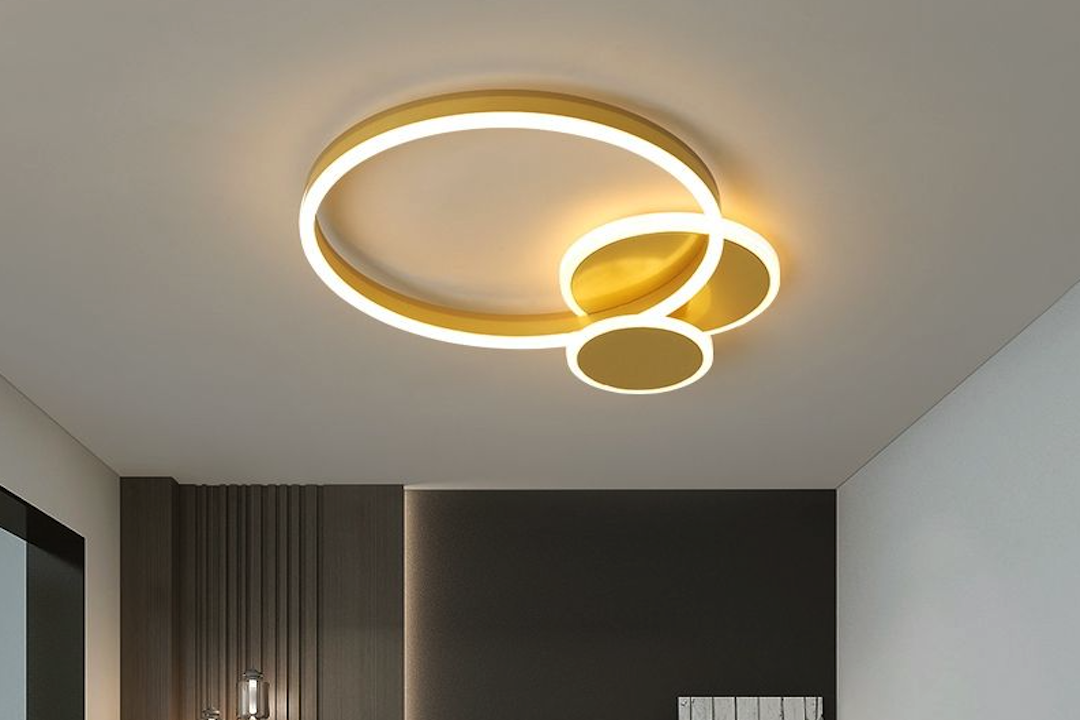
Circular and ring-shaped forms are frequently employed, offering a sense of softness and continuity rarely found in purely rectilinear designs. A single illuminated ring can create a strong focal point, while multiple concentric rings or overlapping circles can produce complex and dynamic patterns. These forms can range from thin, minimalist loops to substantial, sculptural rings that appear to float beneath the ceiling. The circular form, inherently balanced and complete, can bring a sense of harmony and fluidity to a space.
Polyhedron and Sculptural Abstracts
Moving beyond simple squares and circles, some modern LED geometric lights incorporate more complex polyhedral forms or abstract sculptural arrangements. These fixtures might be composed of triangular facets, interconnected hexagonal frames, or irregular, yet still geometric, compositions. Such designs often aim to create a three-dimensional statement, acting as art installations rather than just light sources. They can introduce a sense of architectural drama and dynamic interplay of light and shadow, transforming the ceiling into a canvas for illuminated sculpture. These are not just lights; they are illuminated constructions.
Applications and Placement Strategies
The versatility of modern LED geometric ceiling lights allows for their application in a wide range of settings, from residential to commercial spaces. Strategic placement is key to maximizing their aesthetic and functional benefits.
Residential Applications
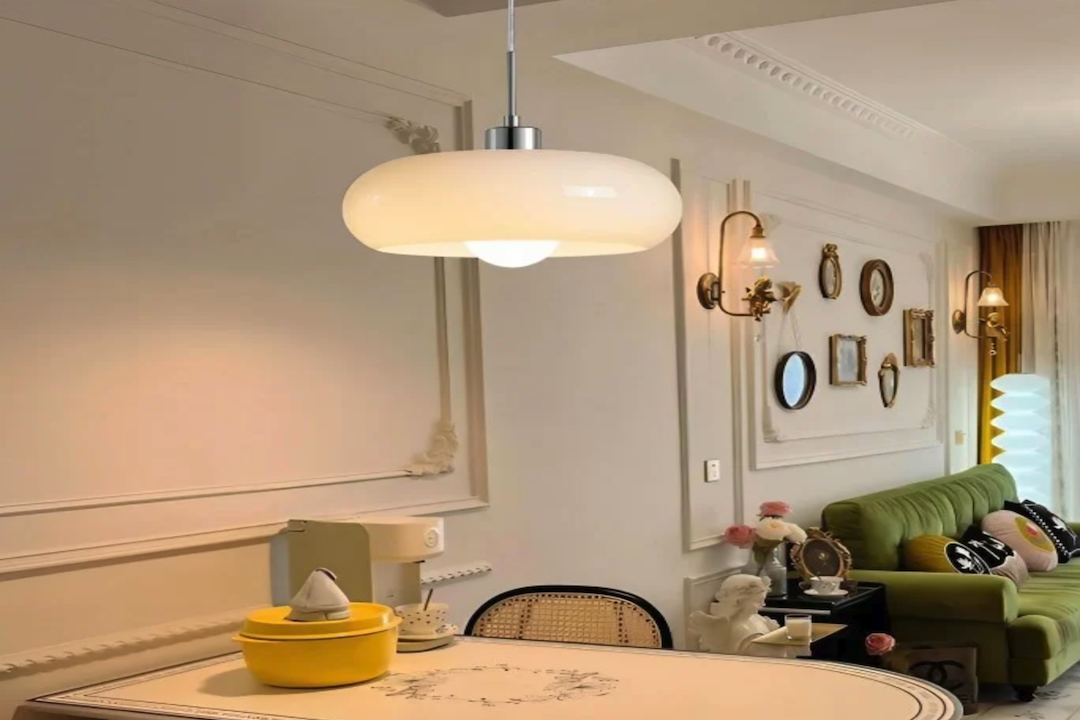
In residential settings, these fixtures can be used in almost any room. In living rooms, larger, more sculptural geometric lights can serve as the primary ambient light source and a central design element. In dining areas, linear or ring-shaped fixtures can be suspended above the table, providing focused illumination while enhancing the contemporary aesthetic. For bedrooms, dimmer-compatible geometric lights with warmer color temperatures can create a relaxing atmosphere. Hallways and entryways benefit from streamlined, unobtrusive designs that provide adequate illumination without overpowering the space. They can define zones within an open-plan environment, acting as invisible walls of light that guide the eye.
Commercial and Office Environments
In commercial and office environments, the energy efficiency and longevity of LED geometric lights are particularly valuable. In open-plan offices, linear or grid-patterned fixtures can provide even, glare-free illumination over large areas, contributing to a productive work environment. For lobbies and reception areas, statement geometric lights can create a memorable first impression, reflecting the modern aesthetic of the business. Retail spaces can utilize these lights to highlight merchandise, with their clean lines complementing modern display strategies. Restaurants and cafes often employ them to create specific moods, from bright and energetic to intimate and subdued. Here, light is not just seeing; it’s shaping the customer experience.
Strategic Placement for Visual Impact
Effective placement involves more than just illuminating a space; it’s about shaping its perception. Consider the scale of the room: a large, open space might benefit from a substantial, multi-element geometric fixture, while a smaller room could be overwhelmed by it. Ceiling height is also a factor; pendant-style geometric lights require sufficient clearance.
Think about the interplay of light and shadow. Geometric fixtures can cast interesting shadow patterns on walls and ceilings, adding another layer of visual complexity to the room. Use them to draw attention to architectural features, define functional zones, or simply create an impactful central feature. A well-placed geometric light acts as a visual anchor, grounding the room’s design while simultaneously lifting it with illumination. It’s a calculated decision, like a chess move, where each placement has consequences for the overall game.