Post-modern sculptural accent lighting represents a significant evolution in the realm of interior design, merging artistic expression with functional illumination. This style emerged as a response to the rigid structures and forms of modernism, embracing a more eclectic and playful approach. By integrating sculptural elements into lighting design, these pieces serve not only as sources of light but also as focal points that enhance the aesthetic appeal of a space. The interplay between light and form creates an atmosphere that can transform an ordinary room into an extraordinary environment.
The rise of post-modern sculptural accent lighting Biosaglighting can be attributed to a broader cultural shift towards individualism and self-expression. As designers began to explore new materials, shapes, and concepts, lighting became a medium through which they could convey their artistic vision. This trend has led to the creation of unique pieces that challenge traditional notions of what lighting should be, inviting viewers to engage with the artwork on multiple levels. The result is a diverse array of designs that reflect the complexity and dynamism of contemporary life.
The Influence of Post-Modernism on Sculptural Accent Lighting
Post-modernism has profoundly influenced various artistic disciplines, including architecture, literature, and visual arts. In the context of sculptural accent lighting, this movement has encouraged designers to break free from conventional forms and embrace a more experimental approach. The emphasis on irony, playfulness, and pastiche in post-modern art has led to lighting designs that often incorporate unexpected materials and shapes, creating a dialogue between the object and its environment.
One notable aspect of post-modern sculptural accent lighting is its ability to evoke emotion and provoke thought. Designers often draw inspiration from historical references, cultural symbols, or personal narratives, resulting in pieces that resonate with viewers on a deeper level. This connection between the artwork and the observer is a hallmark of post-modernism, as it invites individuals to interpret the meaning behind each design. Consequently, sculptural accent lighting has become a medium for storytelling, allowing designers to communicate complex ideas through their work.
The Intersection of Art and Function in Contemporary Illumination
In contemporary design, the line between art and function is increasingly blurred, particularly in the realm of sculptural accent lighting. These pieces are not merely utilitarian objects; they are also expressions of creativity that enhance the overall ambiance of a space. The challenge for designers lies in balancing aesthetic appeal with practical considerations, ensuring that each piece serves its intended purpose while also contributing to the visual narrative of the environment.
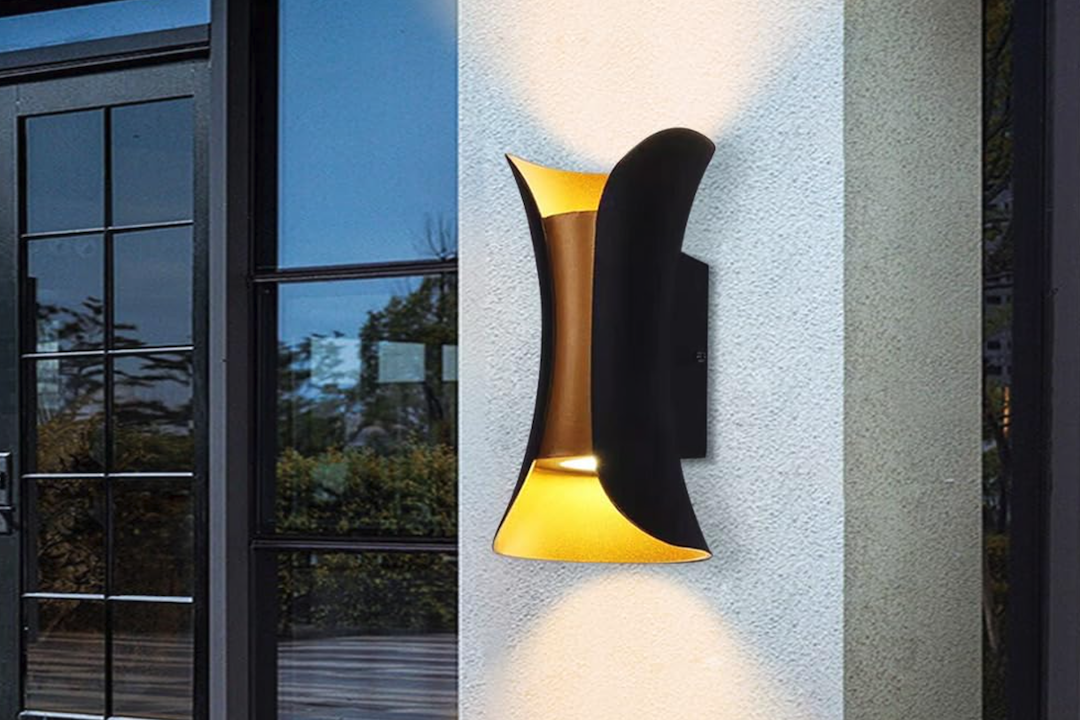
The integration of artistic elements into functional lighting has led to innovative designs that prioritize both form and utility. For instance, many sculptural accent lights feature adjustable components or multi-directional illumination, allowing users to customize their lighting experience. This adaptability not only enhances the functionality of the piece but also encourages interaction between the user and the artwork. As a result, sculptural accent lighting has become an essential component of modern interiors, offering both beauty and practicality.
Exploring the Versatility of Sculptural Accent Lighting in Modern Interiors
Sculptural accent lighting is characterized by its versatility, making it suitable for a wide range of interior styles and settings. From minimalist spaces to eclectic environments, these pieces can complement various design aesthetics while adding a unique touch. Their ability to serve as both functional light sources and artistic statements allows them to adapt seamlessly to different contexts.
In residential settings, sculptural accent lighting can be used to highlight architectural features or create focal points within a room. For example, a striking floor lamp may draw attention to a particular area, while wall-mounted fixtures can enhance artwork or decorative elements. In commercial spaces, such as galleries or restaurants, these lighting pieces can contribute to the overall atmosphere, influencing how patrons perceive the environment. The adaptability of sculptural accent lighting makes it an invaluable tool for designers seeking to create cohesive and engaging spaces.
The Role of Technology in Post-Modern Sculptural Accent Lighting
Advancements in technology have played a crucial role in shaping post-modern sculptural accent lighting. The introduction of LED technology has revolutionized the way designers approach illumination, offering greater energy efficiency and design flexibility. LEDs can be integrated into various materials and shapes, allowing for innovative designs that were previously unattainable with traditional light sources.
Moreover, smart lighting technology has further expanded the possibilities for sculptural accent lighting. With the ability to control brightness, color temperature, and even patterns through mobile applications or voice commands, users can tailor their lighting experience to suit their preferences. This level of customization enhances the interaction between individuals and their environment, making sculptural accent lighting not just an aesthetic choice but also a functional one that adapts to changing needs.
The Sustainability and Eco-Friendly Aspects of Contemporary Illumination
As awareness of environmental issues continues to grow, sustainability has become an essential consideration in contemporary design, including sculptural accent lighting. Many designers are now prioritizing eco-friendly materials and production methods in their work. This shift reflects a broader commitment to reducing waste and minimizing the ecological impact of design practices.
The use of sustainable materials such as reclaimed wood, recycled metals, or biodegradable plastics is becoming increasingly common in sculptural accent lighting. Additionally, energy-efficient technologies like LEDs contribute to lower energy consumption over time, aligning with global efforts to combat climate change. By incorporating these eco-friendly practices into their designs, artists and manufacturers are not only creating visually appealing pieces but also promoting responsible consumption within the design industry.
The Impact of Post-Modern Sculptural Accent Lighting on the Design Industry
Post-modern sculptural accent lighting has had a significant impact on the design industry by challenging traditional notions of functionality and aesthetics. As designers experiment with new forms and materials, they are redefining what lighting can be and how it can be perceived within a space. This shift has encouraged greater creativity across various design disciplines, inspiring artists to push boundaries and explore unconventional ideas.
Furthermore, the popularity of sculptural accent lighting has led to increased collaboration between artists and manufacturers. Many designers are now working closely with production teams to bring their visions to life while ensuring that their artistic intent is preserved throughout the manufacturing process. This collaboration fosters innovation and encourages the development of new techniques and materials that can further enhance the field of lighting design.
The Future of Sculptural Accent Lighting: Trends and Innovations
Looking ahead, the future of sculptural accent lighting appears promising as trends continue to evolve alongside technological advancements. One notable trend is the increasing emphasis on personalization in design. As consumers seek unique pieces that reflect their individual tastes and lifestyles, designers are responding by creating customizable options that allow for greater expression.
Additionally, innovations in smart technology are likely to shape the future landscape of sculptural accent lighting. As homes become more interconnected through smart devices, lighting will play an integral role in creating cohesive environments that respond to user preferences. This integration will not only enhance functionality but also elevate the artistic value of sculptural pieces as they adapt to various contexts.
In conclusion, post-modern sculptural accent lighting represents a dynamic intersection of art and function within contemporary design. Its influence on aesthetics, technology, sustainability, and industry practices underscores its significance in shaping modern interiors. As trends continue to evolve and new innovations emerge, sculptural accent lighting will undoubtedly remain a vital component of interior design for years to come.