So, you’re wondering what the deal is with those vintage exposed filament bulbs? In a nutshell, they’re light bulbs designed to replicate the look of early incandescent lamps, often featuring visible, intricate filaments that warm up and glow. They’re a popular choice for adding a touch of old-world charm and a specific aesthetic to a space, moving beyond just providing illumination to becoming part of the decor itself. They’re not for every lighting need, but for certain applications, they really hit the mark.
At its most basic, the filament is what actually makes the bulb light up. In older incandescent bulbs, and these vintage-style ones, electricity runs through a thin wire, heating it up until it glows. The magic here isn’t just the glow, but the visible design of that wire.
A Nod to History
Early light bulbs were pretty simple affairs, and the filament was the star of the show. It wasn’t hidden away; it was right there, a thin, glowing thread. These modern vintage-style bulbs play on that historical look, paying homage to a time when technology was a bit more exposed and less refined. It’s about appreciating the raw mechanics of light.
Aesthetic Appeal
Beyond the historical aspect, the visible filament simply looks good to many people. The intricate, often spiraled or caged designs of the filaments create a visual interest that a standard frosted bulb lacks. When unlit, the filament acts as a decorative element, and when lit, it transforms into a warm, often mesmerizing glow.
The Warmth Factor
One of the most appealing characteristics of these bulbs is the warm, often amber-toned light they emit. This isn’t just about color temperature; it’s about the quality of the light. It’s softer, less harsh, and can create a cozy, inviting atmosphere that cooler LED lighting often struggles to replicate naturally. This warmth is largely due to the color temperature of the light produced by the glowing filament, which tends to be in the very low Kelvin range.
Where They Shine (Literally)
These bulbs aren’t meant to be your primary source of bright, functional lighting in every room. They excel in specific roles where atmosphere and a particular aesthetic are key.
Accent Lighting
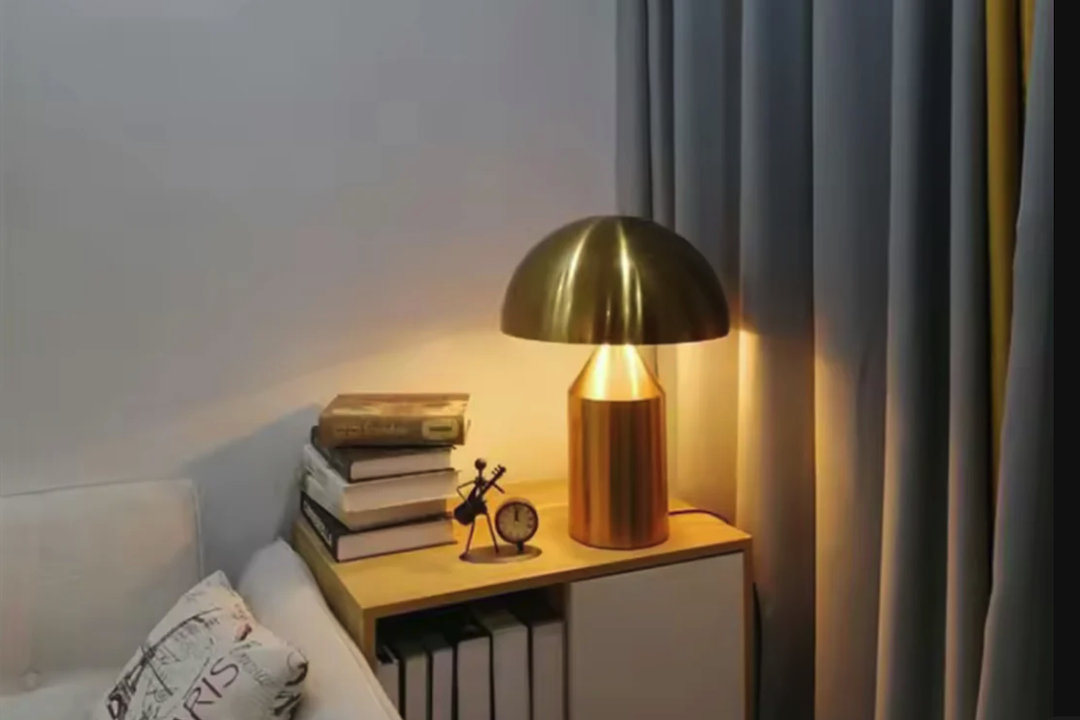
This is arguably their strongest suit. Think about a reading nook, a side table lamp, or a decorative pendant in a living room. They provide enough light to highlight an area or create a mood without overpowering the space. They’re great for layering light in a room, adding depth and visual interest.
Decorative Fixtures
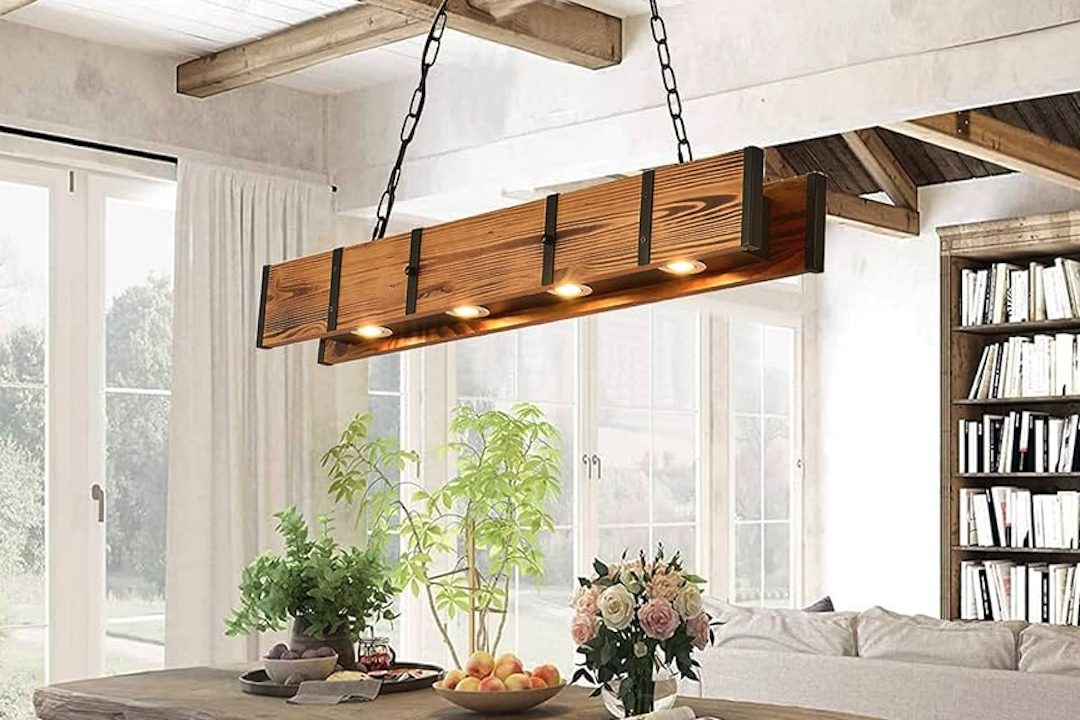
They truly complement open-cage pendants, industrial-style sconces, clear glass globes, or uncovered multi-bulb chandeliers. The exposed nature of the bulb is meant to be seen, making them a natural fit for fixtures that showcase rather than conceal the light source. A frosted bulb in an open fixture would miss the point entirely.
Creating Ambiance
Restaurants, cafes, bars, and even certain retail spaces often use these bulbs to cultivate a specific vibe – a rustic, industrial, vintage, or even speakeasy feel. In a home setting, they’re perfect for creating a relaxed evening atmosphere, less about task lighting and more about unwinding.
Period-Specific Decor
If you’re outfitting a space with a specific historical theme, such as an early 20th-century industrial look, a Victorian-era inspired home, or a steampunk aesthetic, these bulbs are pretty much essential. They tie the entire look together, adding an authentic touch that standard bulbs just can’t replicate.
Understanding the Practicalities
While they look good, it’s important to have a realistic understanding of what you’re getting into. There are some practical considerations that differentiate them from your run-of-the-mill modern light bulbs.
Lumens and Brightness
Don’t expect blinding light. Vintage exposed filament bulbs typically produce lower lumen outputs compared to modern LEDs or even traditional incandescents of similar wattage. This is by design; their purpose isn’t to illuminate a whole room brightly, but to cast a softer, more focused glow. If you need serious illumination, you’ll likely need to supplement with other light sources.
Energy Consumption
This is probably their biggest drawback, especially if you’re comparing them to modern LEDs. Traditional exposed filament bulbs are essentially incandescent bulbs, meaning they convert a significant portion of their energy into heat rather than light. This makes them less energy-efficient.
The LED Alternative
Thankfully, many manufacturers now produce LED versions of these vintage-style bulbs. These LED filaments mimic the look of the old incandescent ones but offer vastly improved energy efficiency and a much longer lifespan. They often come in various color temperatures, allowing you to choose that warm, amber glow without the energy penalty. If you like the look but are concerned about your electricity bill, LED filament bulbs are definitely the way to go.
Lifespan
Traditional incandescent filament bulbs have a relatively shorter lifespan compared to LEDs. The delicate filament is prone to burning out. LED filament bulbs, on the other hand, offer the typical long lifespan associated with LED technology, making them a more durable and less frequent replacement option. This is a significant factor if the bulbs are difficult to access for replacement.
Heat Output
Again, due to their incandescent nature, these bulbs produce noticeable heat. This isn’t usually an issue for a single bulb, but in a multi-bulb fixture or a small enclosed space, it’s something to be aware of. LED filament bulbs generate very little heat, which is another point in their favor for certain applications.
Design and Filaments: A Closer Look
The choice of filament design is often as important as the light output itself. These details contribute significantly to the overall aesthetic.
Filament Patterns
Manufacturers offer a variety of filament patterns, each with its own character:
- Squirrel Cage: Often featuring multiple loops of filament arranged in a cage-like structure. This is arguably one of the most recognizable vintage styles.
- Hairpin: Characterized by U-shaped or V-shaped filaments, sometimes arranged in a series.
- Spiral: A single, continuous filament wound into a tight spiral.
- Quad Loop: Four distinct loops of filament.
- Tree/Christmas Tree: Filaments arranged to resemble a small tree shape.
Each pattern casts a slightly different light and contributes to a unique visual presence, even when the bulb is off.
Bulb Shapes and Sizes
The shape of the glass bulb itself also plays a role. Common shapes include:
- Edison/A-shape: The classic pear-shaped bulb.
- G-shape (Globe): Spherical bulbs, ranging in size from small G16s to large G80 or G125 globes. These often have very intricate filament designs.
- ST-shape (Tubular): Tapered or straight tubular bulbs, frequently seen in industrial pendants.
- B-shape (Candle): Flame-tip or blunt-tip bulbs, often used in chandeliers.
The combination of filament pattern and bulb shape allows for a lot of customization, enabling you to find a bulb that perfectly matches your fixture and desired aesthetic.
Glass Tints
While clear glass is common, many vintage filament bulbs come with subtly tinted glass – often amber, smoked, or gold-tinted. This tint further enhances the warm glow of the filament, adding another layer of visual depth and contributing to that aged, antique look. The darker the tint, the less light will pass through, so keep that in mind for brightness needs.
Installation and Maintenance
Generally, installing these bulbs is straightforward – they screw into a standard light socket, often E26 (medium base) or E12 (candelabra base) in North America, or E27/E14 in other regions.
Dimmer Compatibility
Many vintage filament bulbs, both incandescent and LED versions, are dimmable. Dimmability is a key feature, as it allows you to fine-tune the ambiance and brightness. For incandescent versions, a standard dimmer will usually work. For LED filament bulbs, you’ll need to ensure they are explicitly labeled as dimmable and that you use an LED-compatible dimmer switch to avoid flickering or poor performance. This is a common oversight that can lead to frustration.
Handling with Care
Incandescent filament bulbs are more delicate than modern LED bulbs. The exposed filament, though aesthetic, is fragile. Handle them by the base, not the glass itself, to avoid leaving oils that could cause hot spots and premature failure. LED filament bulbs are generally more robust, but it’s still good practice to handle any bulb with reasonable care.
Cleaning
Should the bulbs get dusty, a gentle wipe with a dry, soft cloth while the fixture is off and the bulbs are cool is usually sufficient. Avoid harsh cleaners, especially on tinted glass, as they might alter the finish.
Deciding if They’re Right for You
Before you go all-in on a vintage filament bulb overhaul, take a moment to consider if they align with your needs and expectations.
Pros:
- Unique Aesthetic: They offer a distinct, historical, and often intriguing look that stands out.
- Warm, Inviting Light: The color temperature creates a cozy, comfortable atmosphere.
- Design Element: They aren’t just light sources; they’re an integral part of your decor.
- Versatility in Design: Numerous filament patterns, bulb shapes, and glass tints provide many options.
- Dimmable Potential: Many are dimmable, offering control over ambiance.
Cons:
- Lower Brightness: Not ideal for task lighting or brightly illuminating large spaces.
- Energy Consumption (Incandescent): Traditional versions are not energy-efficient, impacting electricity bills.
- Shorter Lifespan (Incandescent): Require more frequent replacement than modern LEDs.
- Heat Output (Incandescent): Can contribute to ambient heat in a room.
- Cost: Quality vintage-style bulbs, especially LED filament versions, can be more expensive upfront than standard bulbs.
Ultimately, vintage exposed filament bulbs are a deliberate design choice. They sacrifice some modern conveniences like extreme brightness and energy efficiency (if you choose the incandescent version) for a look and feel that is truly distinctive. If you’re prioritizing ambiance, specific aesthetics, and that warm, nostalgic glow over pure lumens and efficiency, then these bulbs could be a fantastic addition to your space. If you need bright, all-encompassing light, or are highly budget-conscious about energy, you might want to consider alternative lighting for core illumination and use these bulbs for decorative accents only, or embrace the LED filament versions. They’re a charming way to blend history with modern living, but they come with their own set of characteristics that are important to understand.