So, you’re looking to create a cozy atmosphere with modern pendant lights? Good choice. The short answer is yes, absolutely. Modern pendant lights, when chosen and placed thoughtfully, can dramatically contribute to a warm and inviting feel in your home. It’s not just about illumination; it’s about shaping the mood and highlighting features in your space. Think of them less as just light sources and more as an integral part of your room’s overall personality.
It might seem counterintuitive to link modern design, often perceived as sleek and minimalist, with coziness, which usually brings to mind soft textures and warm tones. But modern often means thoughtful design – clean lines, purposeful materials, and an emphasis on function that can actually enhance comfort.
Beyond Basic Function
Traditional overhead lighting often casts a harsh, even glow. Pendants, on the other hand, offer more controlled illumination. This isn’t about being dim; it’s about creating focused pools of light that define areas and add depth. Think of a spotlight on a comfy armchair, or a soft glow over a dining table – these are the beginnings of coziness.
Strategic Placement
Where you put your lights makes a huge difference. Pendants allow for more specific placement than a single flush mount. This strategic positioning means you can illuminate exactly what you want to, leaving other areas in slightly softer light, which contributes to that warm, inviting feeling.
Choosing the Right Style and Materials
When it comes to modern pendants, the options are vast. To achieve coziness, you’ll want to lean towards certain aesthetics and materials.
Warm Metals and Natural Materials
Brushed brass, bronze, or copper finishes tend to emit a warmer glow than chrome or polished silver. These metallic accents can instantly add a touch of warmth and sophistication without being overly ornate.
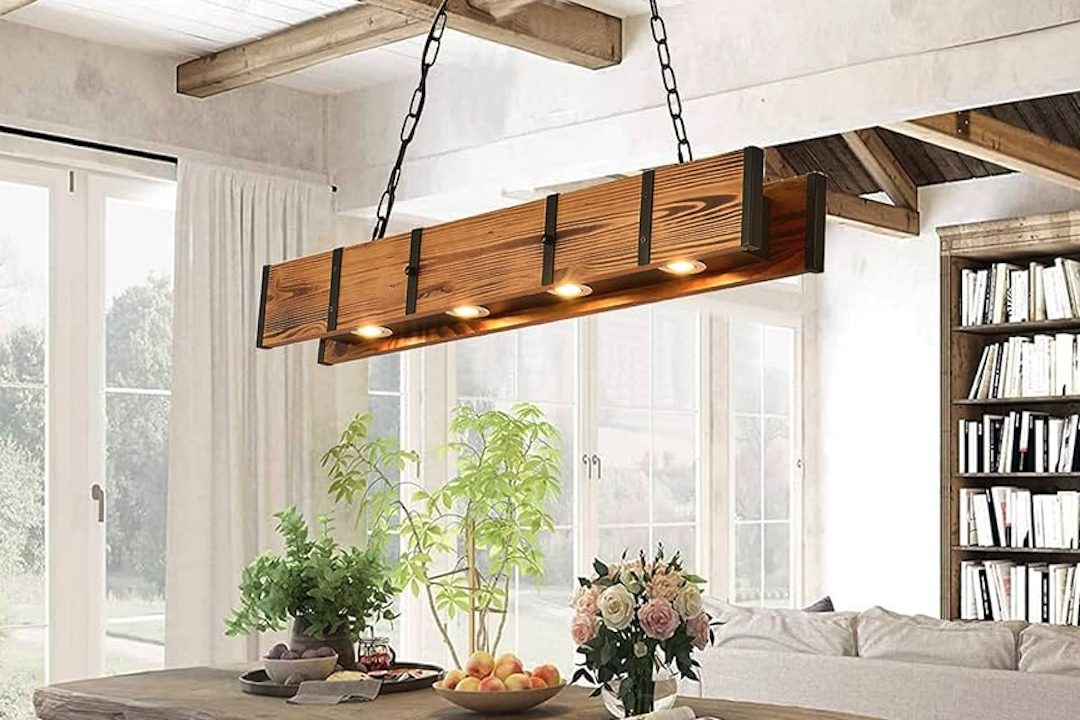
- Wood: Wooden pendants, whether a solid piece or slats, bring a natural, organic feel that’s inherently cozy. Think Scandinavian design – simple, functional, and warm.
- Woven Materials: Rattan, bamboo, or even linen shades diffuse light beautifully, creating a soft, ambient glow. These materials introduce texture, which is a key element in creating a cozy space. They also add a tactile element that makes a room feel more inviting.
- Ceramic: Matte ceramic pendants can offer a delightful earthy quality. Their substantial feel and often irregular textures contribute to a sense of crafted comfort.
Softening the Edges
While modern design often features strong lines, for coziness, you might want to look for pendants that soften that aesthetic.
- Rounded Forms: Spherical or teardrop-shaped pendants can feel more approachable and less stark than strictly angular designs.
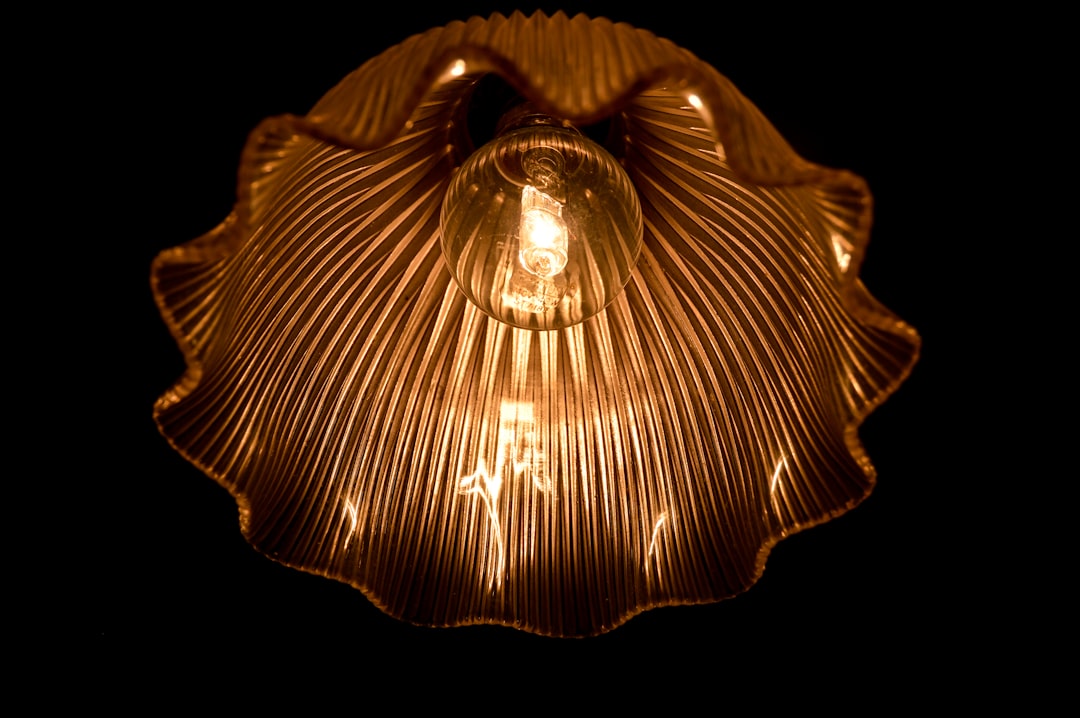
- Diffused Light: Look for pendants with frosted glass, fabric shades, or integrated diffusers. These elements prevent harsh glare and spread light more evenly and gently.
- Minimalist but Mindful: Even minimalist pendants can be cozy if they incorporate warm materials or offer a soft light. The simplicity can actually enhance a sense of calm and clarity, which contributes to a relaxed atmosphere.
Mastering Light Temperature and Dimming
This is perhaps one of the most critical aspects of creating coziness. The quality of light itself is paramount.
The Power of Warm White
Forget harsh, blue-tinged fluorescent lights. For coziness, you want bulbs with a color temperature in the 2200K to 3000K range (Kelvin). This is often labeled as “warm white” or “soft white.” It mimics the warm glow of incandescent bulbs or a sunset, immediately making a space feel more inviting and less sterile.
- Avoid Cool White: Anything above 3500K starts moving into “cool white” or “daylight” territory, which is great for task lighting where alertness is key, but terrible for creating a relaxed, cozy atmosphere.
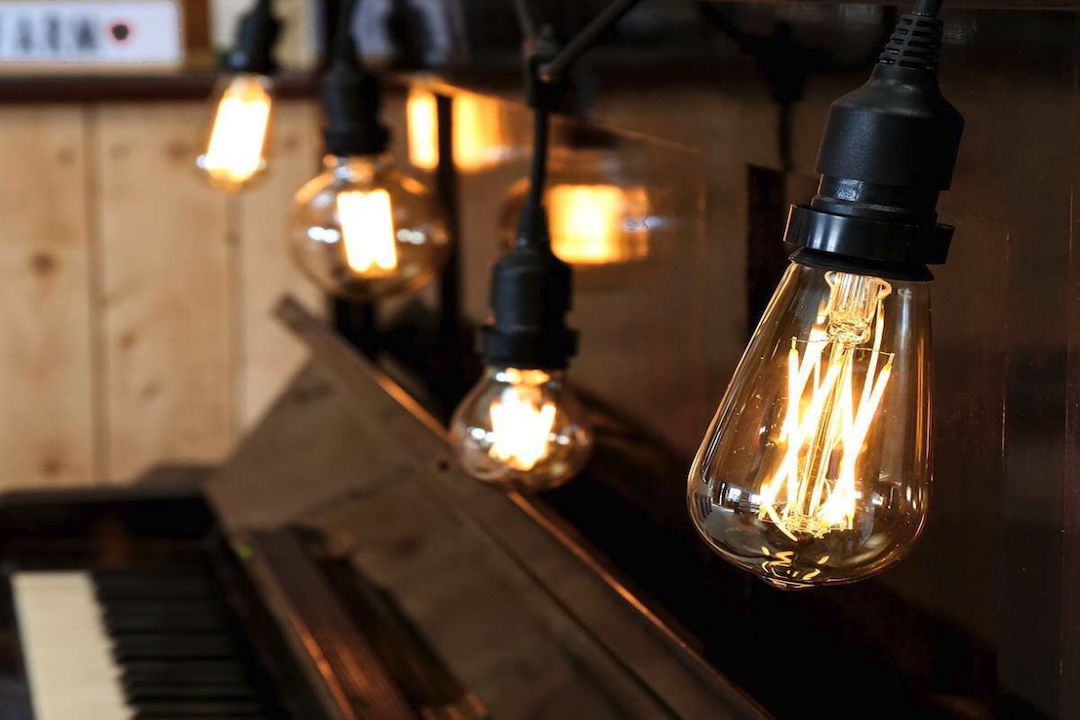
- Experiment with Filament Bulbs: Clear or frosted filament LED bulbs (yes, they make them now!) can add a touch of vintage charm and a particularly warm, comforting glow. Their visible filaments can be a design element in themselves.
Dimmer Switches are Non-Negotiable
If you take one piece of advice from this entire article, let it be this: install dimmer switches. Seriously. This isn’t an optional extra; it’s fundamental to controlling the mood of your room.
- Flexibility for Every Mood: A dimmer allows you to adjust the brightness from full illumination for cleaning or working to a soft, barely-there glow for winding down in the evening. This versatility is what makes a space truly adaptable and cozy.
- Layering Light: Dimmers are essential for creating a layered lighting scheme. You can have your pendants at a lower setting while other accent lights provide targeted illumination, building depth and interest.
- Energy Efficiency: Dimming your lights also saves energy and extends the life of your bulbs, which is a practical bonus.
Strategic Placement for Optimal Effect
Placement is everything when it comes to maximizing the cozy potential of your pendant lights. Don’t just hang them randomly.
Over Dining Tables
This is a classic application for good reason. A pendant or a cluster of pendants over your dining table creates a focal point and an intimate eating experience.
- Height Matters: The bottom of the pendant should typically be about 30-36 inches above the tabletop. This ensures it illuminates the table effectively without obstructing views or causing glare.
- Single Statement vs. Cluster: A large, single pendant can make a strong design statement. Alternatively, a cluster of smaller pendants hung at varying heights can add visual interest and a softer, more diffused light.
- Light Spill: Consider how much light spills onto the surrounding walls. A pendant with a more directed downlight will make the immediate table area feel more intimate, while one with some upward or side spill will brighten the surrounding space slightly.
Kitchen Islands and Peninsulas
Kitchen islands are often hubs of activity, from meal prep to casual dining. Pendants can define these areas and make them feel more inviting.
- Task and Ambiance: Over an island, pendants serve a dual purpose. They provide essential task lighting for cooking and also contribute to the overall kitchen ambiance.
- Spacing: For multiple pendants, aim for even spacing, typically 24-30 inches apart, ensuring that the light is distributed consistently across the island.
- Style Integration: Choose pendants that complement your kitchen’s overall design, whether it’s sleek and minimalist or more traditional.
Bedroom Bedside Lighting
Move beyond traditional table lamps. Pendants next to the bed can free up nightstand space and add a touch of sophistication and intimacy.
- Reading Light: Position them so they provide ample light for reading without disturbing a partner. The bottom of the pendant should generally be about 20-22 inches above the top of your nightstand, but adjust based on your bed and reading habits.
- Symmetry and Asymmetry: Two identical pendants, one on each side of the bed, create a balanced look. For a more eclectic touch, you could use different but complementary pendants, or even just one on a specific side where more light is needed.
- Dimmer per Side: Consider having separate dimmer switches for each bedside pendant for maximum control and comfort.
Creating Cozy Nooks and Corners
This is where pendants truly shine in creating that cozy, intimate feeling.
- Reading Nooks: Hang a pendant over a comfy armchair or chaise lounge to create a personal, illuminated sanctuary. The focused light invites you to curl up with a book.
- Entryways: A single, well-chosen pendant in an entryway can provide a warm welcome, setting the tone for the rest of your home. It’s the first impression, so make it a good one.
- Small Spaces: In a powder room or a small hallway, a pendant can elevate the design and make the space feel more intentional and cared for.
Integrating Pendants into Layered Lighting
Don’t let your pendants be the only light source in the room. Coziness comes from a blend of different light types.
The Three Layers of Light
Effective lighting design relies on layering. Pendants are usually part of the task lighting or accent lighting layer, but they also contribute to the overall ambient lighting. Let’s break it down:
- Ambient Lighting: This is your general, overall illumination. Think recessed lights, flush mounts, or a large central fixture. It provides the base level of light in the room. Your pendants, when on a higher setting, can contribute to this.
- Task Lighting: This is focused light for specific activities – reading, cooking, working. Your pendants over a kitchen island or beside a bed are perfect examples of task lighting. Their focused beam makes the activity easier and more pleasant.
- Accent Lighting: This is about highlighting features or creating visual drama. Think picture lights, uplights on plants, or small spotlights on artwork. Pendants, especially those with some upward or outward light spill, can also act as accent lighting, drawing attention to a specific area.
Balancing with Other Fixtures
To achieve a truly cozy atmosphere, your pendants should work in harmony with other light sources.
- Table and Floor Lamps: These provide soft, localized light at different heights, adding to the warmth and depth of a room. Pair them with your dimmable pendants for optimal flexibility.
- Recessed Lighting with Dimmers: If you have recessed lights, ensure they are on dimmers and use warm white bulbs. They can provide essential ambient light without being harsh.
- Natural Light: Don’t forget the original cozy light source! Maximize natural light during the day, and then transition seamlessly to your layered artificial lighting as evening approaches.
Maintenance and Longevity
While not directly related to coziness, practical considerations ensure your pendants continue to contribute to a beautiful space.
Cleaning and Care
- Dust Regularly: Dust can accumulate quickly and dull the light output and appearance of your pendants. A soft cloth or a duster designed for lighting fixtures will do the trick.
- Material Specific Care: Different materials require different care. Wood might need occasional polishing, while metal can be wiped with a damp cloth and then dried. Always consult manufacturer guidelines.
- Bulb Replacement: When bulbs burn out, replace them with the same type and color temperature to maintain consistency in your lighting scheme.
Energy Efficiency
Modern homeowners are increasingly conscious of energy consumption.
- LED is King: Opt for LED bulbs whenever possible. They consume significantly less energy than traditional incandescent bulbs and have a much longer lifespan. This means less frequent bulb changes and lower electricity bills.
- Smart Home Integration: Consider smart bulbs or smart dimmer switches. These allow you to control your lighting from your phone, set schedules, and even integrate with voice assistants, enhancing convenience and adding another layer of control to your home’s ambiance.
In summary, creating a cozy atmosphere with modern pendant lights isn’t just about picking a nice-looking fixture. It’s a thoughtful process involving material choices, light temperature, strategic placement, and integration into a larger lighting scheme. When done well, modern pendants can transform a room from merely illuminated to truly inviting and comfortable.