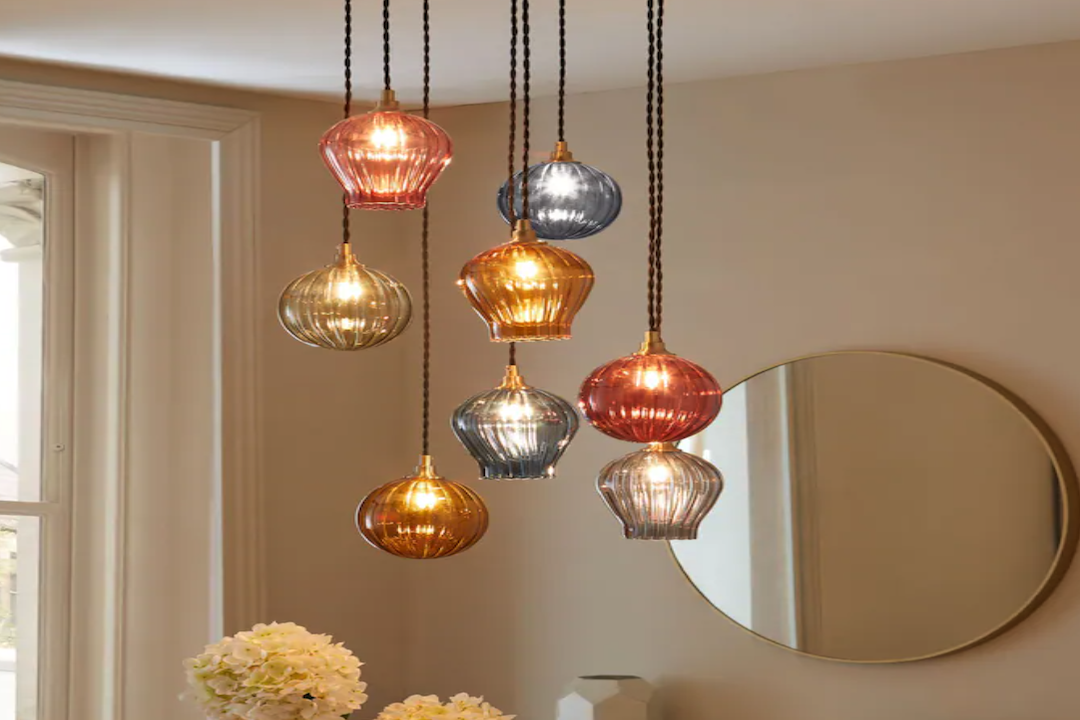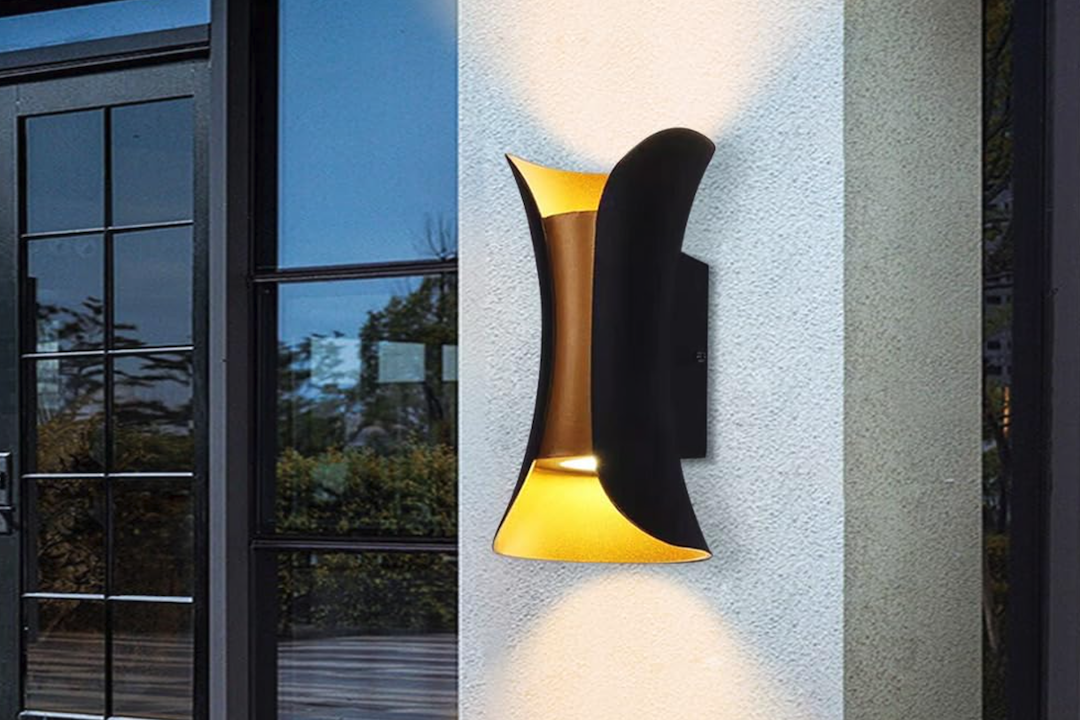

Lighting plays a pivotal role in shaping the ambiance and functionality of small spaces. In compact areas, where every square inch counts, the right lighting can transform a cramped room into an inviting and visually appealing environment. The importance of lighting extends beyond mere aesthetics; it influences how we perceive space, affects our mood, and can even impact our productivity.
For instance, a well-lit room can feel more expansive and open, while poor lighting can make a small area feel even more confined and unwelcoming. Moreover, the strategic use of lighting can highlight architectural features or decorative elements, drawing attention to the unique characteristics of a small space. For example, a floor lamp positioned to illuminate a piece of artwork or a textured wall can create focal points that distract from the room’s limited dimensions.
By understanding the nuances of lighting, homeowners can effectively enhance their small spaces, making them not only functional but also aesthetically pleasing.
Choosing the Right Floor Lamp for Small Areas
Selecting the appropriate floor lamp for a small area requires careful consideration of both style and function. The design of the lamp should complement the existing decor while also serving a practical purpose. For instance, a sleek, minimalist floor lamp with a narrow profile can fit seamlessly into tight corners without overwhelming the space.
On the other hand, a more ornate lamp may serve as a statement piece but could potentially clutter the visual landscape of a small room. In addition to aesthetics, functionality is paramount when choosing a floor lamp for limited spaces. Adjustable lamps that allow users to direct light where it is needed most can be particularly beneficial.
For example, a floor lamp with an adjustable arm can provide focused lighting for reading or working while also serving as ambient lighting when positioned correctly. Furthermore, considering the height of the lamp is essential; taller lamps can draw the eye upward, creating an illusion of height in a room, while shorter lamps may be better suited for low ceilings.
Placement and Positioning of Floor Lamps in Tight Spaces
The placement of floor lamps in small areas is crucial for maximizing their effectiveness. A common mistake is to position lamps in corners where they may not provide adequate illumination. Instead, placing a floor lamp near seating areas or workspaces can enhance functionality and create a warm atmosphere.
For example, positioning a lamp next to a reading chair not only provides necessary light for reading but also creates an inviting nook that encourages relaxation. Additionally, considering the flow of movement within the space is vital when positioning floor lamps. Lamps should be placed in locations that do not obstruct pathways or create hazards.
Utilizing vertical space by placing lamps on pedestals or using multi-tiered designs can help maintain an open feel while still providing ample lighting. Furthermore, layering light sources—such as combining floor lamps with table lamps or wall sconces—can create depth and dimension, making even the smallest spaces feel more expansive.
Utilizing Multi-functional Floor Lamps in Small Areas
In small spaces, multi-functional furniture and fixtures are invaluable for maximizing utility without sacrificing style. Floor lamps that serve multiple purposes can be particularly advantageous. For instance, some modern floor lamps come equipped with built-in shelves or tables, providing additional surface area for books, plants, or decorative items while also serving as a light source.
This dual functionality allows homeowners to minimize clutter and make the most of their limited space. Another innovative option is the use of floor lamps with integrated charging stations or USB ports. These lamps not only illuminate a room but also provide convenient access to power for electronic devices, reducing the need for additional cords and outlets that can contribute to visual chaos.
By selecting multi-functional floor lamps, individuals can enhance both the practicality and aesthetic appeal of their small spaces.
Maximizing Natural Light in Small Spaces
Natural light is one of the most effective ways to enhance the perception of space in small areas. While floor lamps are essential for artificial lighting, maximizing natural light can significantly improve the overall ambiance and make rooms feel larger and more open. To achieve this, homeowners should consider window treatments that allow for maximum light penetration while still providing privacy.
Sheer curtains or blinds that can be easily adjusted are excellent choices for maintaining brightness without sacrificing comfort. Additionally, strategically placing mirrors can amplify natural light by reflecting it throughout the room. A well-placed mirror opposite a window can double the effect of sunlight, creating an illusion of depth and spaciousness.
Furthermore, using light-colored paint on walls and ceilings can help bounce light around the room, enhancing its brightness and making it feel more airy. By combining these techniques with thoughtful floor lamp placement, individuals can create a harmonious balance between natural and artificial lighting.
Incorporating Dimmer Switches for Flexible Lighting Options
Dimmer switches are an often-overlooked feature that can greatly enhance the versatility of lighting in small spaces. By allowing users to adjust the brightness of their floor lamps according to their needs, dimmers provide flexibility that is particularly beneficial in multifunctional areas. For example, during daytime hours when natural light is abundant, lower settings can create a soft ambiance without overwhelming brightness.
Conversely, in the evening or during activities such as reading or entertaining guests, increasing the light intensity can enhance visibility and create a more vibrant atmosphere. Moreover, dimmer switches contribute to energy efficiency by allowing users to reduce power consumption when full brightness is unnecessary. This not only helps in lowering electricity bills but also extends the lifespan of light bulbs by reducing wear and tear from constant high usage.
Incorporating dimmer switches into floor lamp setups in small spaces allows homeowners to tailor their lighting experience to suit various moods and activities seamlessly.
Tips for Creating the Illusion of More Space with Floor Lamps
Creating an illusion of more space in small areas often involves clever design tricks that manipulate perception. Floor lamps can play a significant role in this endeavor through strategic selection and placement. One effective method is to choose lamps with transparent or open bases that do not visually weigh down the space.
For instance, acrylic or glass floor lamps can provide necessary illumination without adding bulk or visual clutter. Another technique involves using upward-facing floor lamps that direct light toward the ceiling rather than illuminating only the ground level. This upward light creates a sense of height and draws the eye upward, making ceilings appear taller and rooms feel more expansive.
Additionally, incorporating slim-profile designs that fit snugly against walls or furniture can help maintain an open flow while still providing adequate lighting.
Maintenance and Care of Floor Lamps in Small Areas
Maintaining floor lamps in small spaces is essential not only for aesthetics but also for safety and functionality. Regular cleaning is crucial to prevent dust accumulation that can dull finishes and reduce light output. Using a soft cloth to wipe down lampshades and bases ensures they remain visually appealing while also allowing maximum light transmission.
For fabric shades, periodic vacuuming with an upholstery attachment can help remove dust without damaging the material. Furthermore, checking electrical components regularly is vital for safety reasons. Ensuring that cords are not frayed and that bulbs are functioning properly prevents potential hazards such as electrical fires or short circuits.
In small spaces where floor lamps are often moved or adjusted frequently, securing cords with clips or cord covers can help prevent tripping hazards while maintaining a tidy appearance. By prioritizing maintenance and care, homeowners can ensure their floor lamps continue to enhance their small spaces effectively over time.