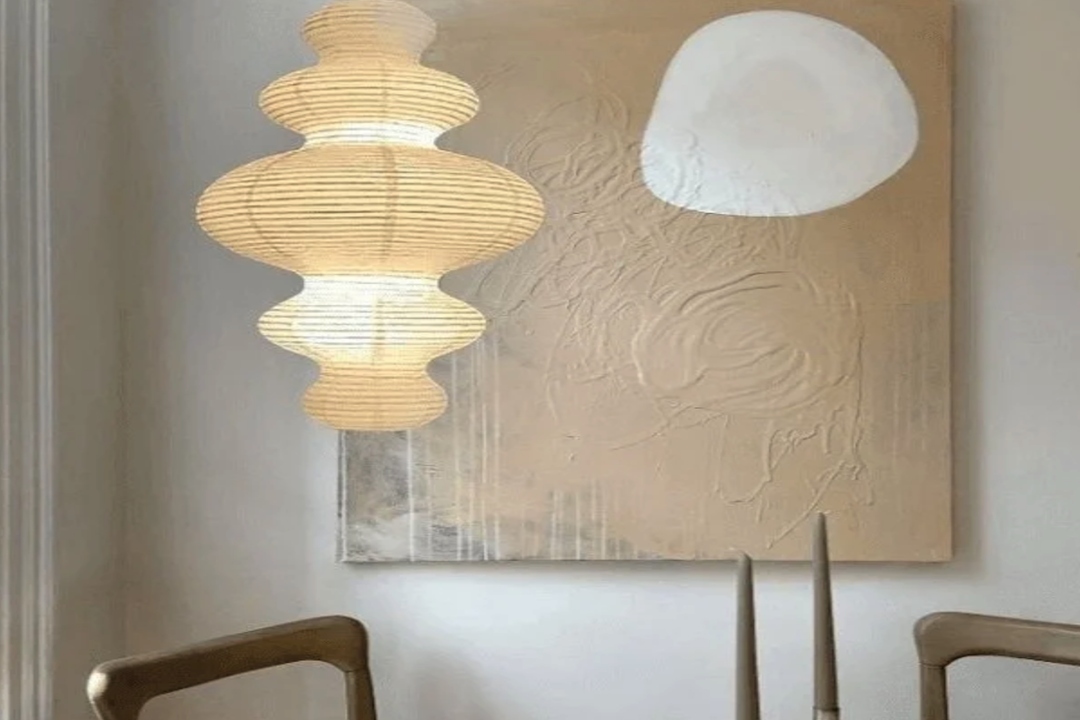
When considering lighting for a formal dining room, especially for evening entertaining, an elegant silk shade chandelier is often the top recommendation. This isn’t just about aesthetics; it’s about creating a specific ambiance – one that is refined, inviting, and conducive to extended conversations. The soft, diffused light emitted through silk shades is uniquely capable of achieving this without the harshness of bare bulbs or the overly casual feel of some other fixtures. It provides a warm glow that flatters both guests and the food, making every formal dining experience feel more special and intimate.
Silk, as a material for lamp shades, brings a distinct set of qualities to the table that no other fabric can quite replicate. Its natural sheen, delicate texture, and inherent ability to diffuse light create an unparalleled atmosphere.
Luxurious Texture and Visual Softness
Unlike linen or cotton, silk possesses a subtle luster that catches the light beautifully, adding a layer of sophistication. This natural sheen isn’t flashy; rather, it’s a sophisticated gleam that hints at quality and elegance. The threads of silk are incredibly fine, which allows for a smooth, almost seamless surface, enhancing the overall refined appearance of the chandelier. This visual softness contributes significantly to the overall aesthetic, softening the potentially angular lines of a chandelier frame.
Superior Light Diffusion
The magic of silk shades lies in their ability to transform harsh light into a gentle, inviting glow. The weave of the silk fabric, whether it’s dupioni, shantung, or raw silk, effectively scatters the light from the bulb within. This diffusion process eliminates glare and harsh shadows, which are unwelcome in a formal dining setting. Instead, the light that emerges is even, warm, and flattering. This gentle illumination is crucial for creating an atmosphere where guests feel comfortable and relaxed, encouraging them to linger over dinner. It also ensures that the food presented on the table is viewed in its best light, with colors appearing true and appetizing.
A Spectrum of Elegance: Color and Form
While off-white and ivory silk shades are classic choices for their versatility, silk offers a wider palette. Deeper hues like champagne, soft gold, or even a muted silver can add another dimension of luxury, especially when paired with complementary chandelier finishes. The way silk takes dye is also unique, resulting in rich, nuanced colors that feel opulent rather than ostentatious. Beyond color, the form of the silk shade itself plays a role. From traditional bell shapes to more modern drum or empire styles, the silk’s pliability allows for a variety of designs that can perfectly complement the overall aesthetic of the dining room.
Crafting the Perfect Ambiance: Beyond Illumination
A chandelier’s role in a formal dining room extends beyond merely providing light. It’s a central design element that contributes significantly to the room’s overall mood and aesthetic. With silk shades, this contribution is particularly nuanced.
Warmth and Intimacy
The primary objective of lighting in a formal dining room, especially for evening gatherings, is to foster an atmosphere of warmth and intimacy. The diffused light from silk shades excels at this. It bathes the room in a soft, inviting glow that encourages conversation and connection. Unlike brighter, more direct lighting, which can feel sterile or exposing, the gentle illumination from silk creates a sense of coziness and privacy, even in a larger room. This warmth is not just about temperature; it’s about the emotional response the lighting evokes, making guests feel welcomed and comfortable enough to relax and enjoy the occasion.
Flattering Light for Guests and Cuisine
Nobody wants to dine under harsh, unflattering light. Silk shade chandeliers solve this problem by casting a soft, even glow that is incredibly kind to complexions. It minimizes shadows and creates a subtle radiance that makes everyone look and feel their best. This isn’t vanity; it’s about creating a pleasant and confidence-boosting environment. Furthermore, the light cast by silk shades enhances the visual appeal of the food. Dishes appear more vibrant and appetizing under this gentle illumination, with textures and colors beautifully highlighted without being washed out or distorted. This attention to detail elevates the entire dining experience, making both the guests and the culinary creations shine.
Enhancing Architectural and Decorative Elements
The right chandelier acts as an anchor for the room’s design. A silk shade chandelier, with its refined presence, can effortlessly complement and enhance other architectural features and decorative elements. Its soft light can highlight intricate ceiling medallions, ornate crown molding, or a beautiful wallpaper without overpowering them. The chandelier itself, as a piece of art, can draw the eye upwards, adding vertical interest to the room. The subtle gleam of the silk can also echo other luxurious textures in the room, such as velvet upholstery, polished wood, or shimmering silverware, creating a cohesive and harmonious design scheme.
Selecting Your Elegant Silk Shade Chandelier
Choosing the right chandelier involves considering several practical and aesthetic factors to ensure it perfectly suits your dining space and entertaining style.
Sizing and Placement: The Golden Rules
The size of your chandelier is paramount. A fixture that is too small will look lost, while one that is too large will overwhelm the space. A common guideline is that the diameter of the chandelier should be roughly half to two-thirds the width of your dining table. Alternatively, for the room as a whole, the sum of the room’s length and width in feet can approximate the ideal chandelier diameter in inches. For instance, a 10’x14′ room (24 feet) would suggest a 24-inch diameter chandelier.
Placement is equally important. The bottom of the chandelier should hang approximately 30 to 36 inches above the dining table. This height ensures it provides ample light without obstructing views or causing guests to bump their heads. It also positions the light source effectively to illuminate the table surface beautifully without glare. Always consider the height of your ceiling; higher ceilings might allow for a slightly larger or longer chandelier, but the 30-36 inch rule from the tabletop remains generally consistent.
Frame Finishes and Styles
The frame of your chandelier plays a significant role in its overall aesthetic. For a formal dining setting, classic finishes tend to be the most appropriate.
Polished Brass or Gold
These finishes exude timeless elegance and a sense of luxury. They pair beautifully with warmer silk tones like ivory, champagne, or even a soft antique gold. Polished brass offers a brighter, more reflective gleam, while antique gold provides a softer, aged patina that can feel more traditional and understated. These finishes often complement formal dining sets with rich wood tones or traditional upholstered chairs.
Brushed Nickel or Chrome
For a more contemporary or transitional formal dining room, brushed nickel or chrome offers a sleek, sophisticated alternative. These cooler tones pair wonderfully with white, off-white, or even subtle silver-grey silk shades. Brushed nickel provides a softer, matte finish, while chrome is highly reflective and modern. They can create a striking contrast against darker wall colors or complement a minimalist aesthetic.
Bronze or Black Iron
For a more rustic, industrial-chic, or even a very traditional, heavy aesthetic, bronze or black iron frames can be stunning. These finishes often work well with silk shades in cream, natural linen tones, or even deep jewel tones if you’re looking to make a bold statement. They offer a strong visual presence and can ground a large dining space. Bronze often has warm undertones, while black iron offers a sharp, modern contrast.
Understanding Silk Shade Construction
The quality and construction of the silk shades themselves are crucial for both aesthetics and durability.
Hand-Pleated vs. Machine-Stitched
Hand-pleated silk shades offer a level of artisanal craftsmanship that machine-stitched shades often cannot replicate. The pleats are meticulously formed and sewn, resulting in a more refined and tailored appearance. Machine-stitched shades can be perfectly fine, but often lack the subtle imperfections and unique character that come with handmade items, which can be desirable in a very high-end formal setting. Examine the seams and the tautness of the fabric; a well-constructed shade will have smooth, even tension without wrinkles or puckering.
Lining Materials
The lining of a silk shade affects how light is diffused and how durable the shade is. A white or off-white lining will maximize light output and ensure a consistent glow. A gold or silver lining can add a subtle shimmer to the light, creating a warmer or cooler tone depending on the choice. Some shades might feature a double lining for extra opacity and a more luxurious feel. The material of the lining should also be heat-resistant and durable, protecting the outer silk from the heat of the bulb and preventing premature discoloration.
Maintenance and Care for Lasting Elegance
While elegant, silk shades do require a bit of mindful care to maintain their beauty and extend their lifespan.
Regular Dusting
The simplest yet most effective maintenance is regular dusting. Use a soft, clean microfiber cloth or a feather duster to gently wipe down the shades. For more intricate pleats, a soft-bristle brush or even a can of compressed air (held at a distance) can help dislodge dust without damaging the fabric. Aim to do this weekly or bi-weekly, especially if the chandelier is in an area prone to dust accumulation.
Spot Cleaning Techniques
For any minor spots or marks, immediate action is best. First, test any cleaning solution on an inconspicuous area of the shade to ensure it doesn’t cause discoloration or damage. For most light marks, a very slightly damp (almost dry) cloth with distilled water can be gently blotted onto the spot. Avoid rubbing, as this can spread the stain or damage the silk fibers. For more stubborn, non-greasy stains, a tiny amount of mild, pH-neutral soap specifically designed for delicate fabrics can be applied with a clean cloth, then blotted away thoroughly with a clean, damp cloth until no residue remains. Always allow the shade to air dry completely.
Avoiding Common Pitfalls
Several things can prematurely age or damage silk shades.
Direct Sunlight Exposure
While a dining room might not always be bathed in direct sunlight, prolonged exposure can cause silk to fade and become brittle over time. If your dining room gets significant sunlight, consider using UV-filtering window treatments or strategically positioning the chandelier to minimize direct sun exposure on the shades.
Overheating from Incorrect Bulbs
Ensure you are using the correct wattage and type of bulb as recommended by the chandelier manufacturer. Overly powerful bulbs can generate excessive heat, which can scorch the silk, weaken the fabric, or cause discoloration. LED bulbs are often an excellent choice as they produce very little heat and are energy-efficient, making them ideal for silk shade chandeliers.
Harsh Chemicals and Abrasives
Never use abrasive cleaners, strong chemical detergents, or bleach on silk shades. These will strip the natural luster, weaken the fibers, and can cause irreversible damage or discoloration. Stick to very mild, pH-neutral cleaners if water alone isn’t sufficient for spot cleaning.
By understanding the unique properties of silk and applying a bit of thoughtful care, your elegant silk shade chandelier will continue to be a stunning centerpiece, setting the perfect mood for countless memorable formal dining evenings. It’s an investment in ambiance, refinement, and lasting style that truly elevates the art of entertaining.