Looking for a way to add a touch of sophistication and warmth to your dining space? A fluted glass dining chandelier might be just what you need. These fixtures aren’t just about illuminating your table; they’re about creating an atmosphere, reflecting light in beautiful ways, and adding a unique design element that can elevate your entire room. They offer a fantastic blend of vintage charm and modern appeal, making them surprisingly versatile in various home aesthetics.
What Makes Fluted Glass Special?
Fluted glass, also known as reeded or ribbed glass, isn’t just plain smooth glass. It features a series of parallel ridges or grooves (the “flutes”) on its surface. This texture isn’t just for looks; it plays a significant role in how light Lamp24 interacts with and passes through the material.
The Magic of Light Diffusion
Instead of sharp, direct light, the flutes in the glass gently diffuse it. This means the light is broken up and spread out more evenly, creating a softer, warmer glow. Imagine the difference between a bare light bulb and one with a frosted shade – fluted glass takes that concept a step further, adding visual interest to the light itself. This diffusion is particularly desirable in a dining room, as harsh overhead lighting can be less than flattering for both your food and your guests.
Visual Allure and Texture
Beyond light diffusion, the flutes themselves add a wonderful tactile and visual texture to the chandelier. Even when the light is off, the fixture still presents an interesting object in the room. The way the light catches these ridges can create subtle glistening effects, adding to the overall elegance without being overly ostentatious. It’s a quiet form of luxury.
Why a Fluted Glass Chandelier for Your Dining Room?
Your dining room is often the heart of social gatherings and family meals. The lighting you choose significantly impacts its ambiance. A fluted glass chandelier brings several distinct advantages to this crucial space.
Creating the Perfect Ambiance
As mentioned, the diffused light from fluted glass is ideal for a dining setting. It helps create a welcoming, intimate atmosphere perfect for conversation and enjoying good food. Direct, unshielded bulbs can be glaring and uncomfortable, whereas the softened light from fluted glass is much more comfortable on the eyes.
A Blend of Styles: Vintage Charm Meets Modern Chic
Fluted glass has a timeless quality. It was popular in various eras, from Art Deco to mid-century modern, and it’s enjoying a resurgence today. This historical nod means a fluted glass chandelier can beautifully complement both traditional and contemporary interiors.
Art Deco Influence
Many fluted glass designs draw inspiration from the geometric elegance of the Art Deco period. Think sleek lines, layered shapes, and a sense of refined glamour.
Mid-Century Modern Appeal
For those leaning towards a more mid-century modern aesthetic, fluted glass chandeliers often fit right in with their emphasis on clean lines, natural materials, and functional beauty. The subtle texture adds complexity without disrupting the minimalist ethos.
Contemporary Versatility
Even in ultra-modern homes, a thoughtfully chosen fluted glass chandelier can add a layer of warmth and texture that prevents the space from feeling too stark or cold. It’s an excellent way to introduce a classic element into a contemporary design.
Visual Interest Beyond Illumination
Even when the lights are off, a fluted glass chandelier acts as a stunning sculptural element in your dining room. The way the flutes catch ambient light from windows or other fixtures creates a subtle play of light and shadow, adding depth and character to the room. It’s an art piece as much as a light source.
Choosing the Right Fluted Glass Chandelier
With so many options available, picking the perfect fluted glass chandelier can feel a bit overwhelming. But by considering a few key factors, you can narrow down your choices and find a fixture that’s just right for your space.
Size and Scale: Don’t Underestimate the Impact
This is perhaps the most critical factor. An oversized chandelier will overpower your dining table and room, while one that’s too small will look lost and inadequate.
The “Half to Two-Thirds” Rule
A good general rule of thumb for dining room chandeliers: the width of your chandelier should be about half to two-thirds the width of your dining table. So, if your table is 42 inches wide, your chandelier should ideally be between 21 and 28 inches in diameter.
Ceiling Height Considerations
For standard 8-foot ceilings, the bottom of your chandelier should typically hang about 30-34 inches above the tabletop. For higher ceilings, you can add about 3 inches for each additional foot of ceiling height. Always ensure there’s enough clearance so people can stand up without bumping their heads, but also so the light illuminates the table effectively.
Style and Finish: Matching Your Decor
Fluted glass chandeliers come in a variety of frame materials and finishes, each contributing to a different aesthetic.
Metal Finishes
- Brass/Gold: Often associated with vintage, Art Deco, or luxurious aesthetics. It adds warmth and a touch of glamour.
- Black/Bronze: Creates a bolder, more contemporary or industrial look. Excellent for grounding a space or adding contrast.
- Chrome/Nickel: Offers a sleek, modern, and often minimalist feel. Reflective and bright.
- Bronze: Can range from dark, almost black, to oil-rubbed bronze with reddish undertones, offering a sophisticated, aged look that works well in transitional and traditional settings.
- Matte Finishes: Matte black, matte white, or even matte brass finishes provide a softer, more understated elegance compared to their polished counterparts. They absorb light rather than reflecting it, creating a more subtle statement.
Glass Tone
While most fluted glass is clear, some options might include:
- Smoked Glass: Adds a darker, more dramatic effect, ideal for moody or sophisticated interiors.
- Frosted Fluted Glass: Further diffuses the light, creating an even softer, ethereal glow.
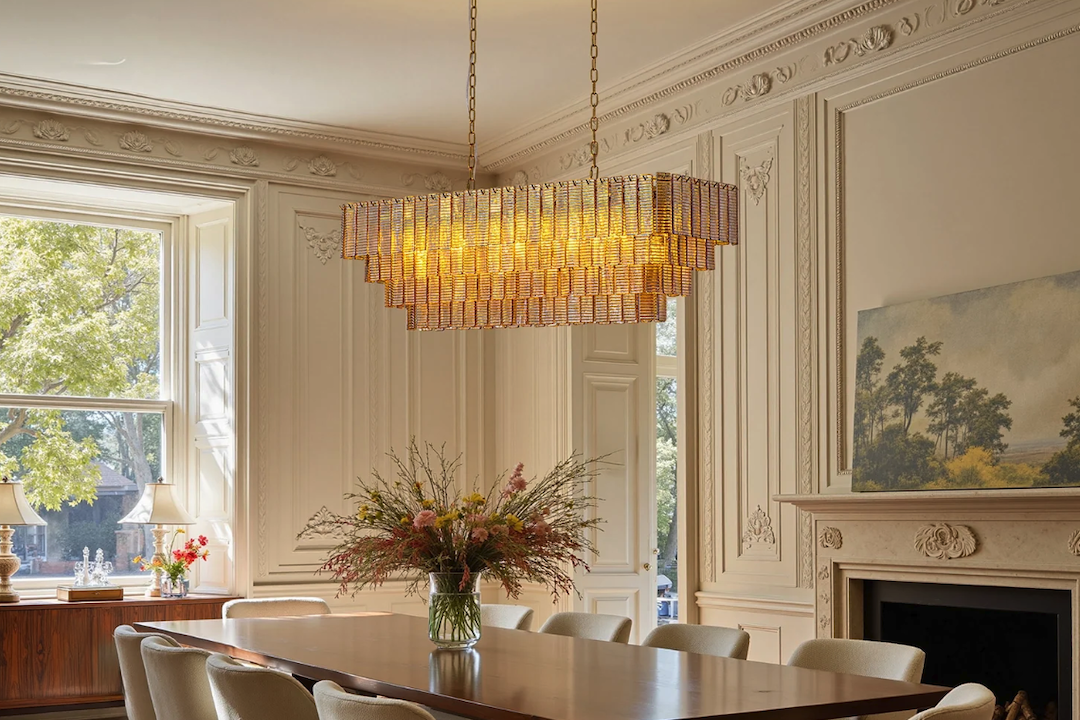
- Amber Tinted Glass: Can introduce warmth and a slightly retro or opulent feel.
Number of Tiers and Bulbs: How Much Light Do You Need?
The number of tiers and light bulbs directly impacts the amount of light your chandelier will provide.
Single Tier
A single-tier chandelier is often more minimalist and can be perfect for smaller dining areas or for those who prefer a less ornate look.
Multi-Tier
Multiple tiers add drama, grandeur, and typically more light. They work beautifully in larger dining rooms with higher ceilings, making a significant statement.
Bulb Count
Consider the wattage and lumen output of the bulbs. For a dining area, you’ll want sufficient light, but also the ability to dim it. Look for fixtures that support multiple bulbs or bulbs with higher lumen output if you need a brighter space, but always pair it with a dimmer switch.
Installation and Maintenance Tips
Even the most beautiful chandelier needs proper installation and occasional care to maintain its sparkle.
Professional Installation is Key
Unless you are a certified electrician or highly experienced with electrical wiring, hiring a professional for installation is always recommended. Chandeliers can be heavy and involve intricate wiring.
Safety First
Incorrect wiring can be a fire hazard, and a poorly mounted fixture can fall, causing significant damage or injury. Don’t take chances.
Proper Support
Ensure your electrical box can support the weight of the chandelier. If not, a professional will know how to reinforce it with a ceiling brace.
Cleaning Your Fluted Glass Chandelier
Fluted glass, while stunning, can be a bit trickier to clean than smooth glass due to its textured surface.
Regular Dusting
The easiest way to keep your chandelier looking good is regular dusting. Use a soft, dry microfiber cloth or a feather duster. For hard-to-reach areas, a duster with an extendable handle is invaluable. Do this frequently to prevent dust buildup from becoming embedded in the flutes.
Deeper Cleaning (Annually or Bi-Annually)
For a more thorough clean, you’ll need to turn off the power to the fixture at the circuit breaker.
- Prepare: Lay a drop cloth or old sheets on the floor beneath the chandelier to catch any drips or fallen dust.
- Safety: Wear cotton gloves to prevent leaving fingerprints on the clean glass.
- Cleaning Solution: Mix a solution of equal parts distilled water and white vinegar, or use a specialized glass cleaner. Do not spray directly onto the fixture, as this could get into electrical components.
- Application: Dampen a soft, lint-free cloth (microfiber works best) with your cleaning solution.
- Wipe Gently: Carefully wipe down each fluted glass component. For stubborn spots or grime, you might need to use a soft brush (like a clean paintbrush) to get into the grooves.
- Dry Thoroughly: Immediately follow up with a clean, dry microfiber cloth to buff the glass dry and prevent water spots.
- Reconnect Power: Once completely dry, restore power to the fixture.
Beyond the Dining Room: Other Spots for Fluted Glass
While this article focuses on dining rooms, the elegance of fluted glass isn’t limited to a single space. Consider these other areas where a fluted glass fixture could shine.
Entryways and Foyers
Make a grand first impression! A fluted glass chandelier in an entryway sets a sophisticated tone for your entire home. The diffused light creates a welcoming glow without being overly harsh.
Kitchen Islands
Instead of a traditional pendant, a smaller fluted glass chandelier or a series of matching fluted pendants above a kitchen island can elevate the space. They provide excellent task lighting while adding significant aesthetic appeal.
Bedrooms
For a touch of luxury and soft ambient lighting in a master bedroom, a smaller-scale fluted glass chandelier can be a beautiful alternative to a traditional ceiling fan or simple flush mount. It adds romance and sophistication.
Living Rooms
Depending on the size and style of your living room, a statement-making fluted glass chandelier can serve as a stunning focal point, especially in rooms with high ceilings or an open-concept layout. It can tie together different elements of your decor.
Final Thoughts on Elegance and Illumination
A fluted glass dining chandelier is more than just a light fixture; it’s an investment in the atmosphere and style of your home. Its unique ability to diffuse light creates a warm and inviting glow, perfect for intimate dinners or lively gatherings. The textured glass adds a sculptural element that elevates your decor, bridging the gap between vintage charm and modern sophistication.
By carefully considering size, style, and finish, you can select a piece that not only illuminates your dining table beautifully but also serves as a captivating focal point for years to come. Remember, good lighting can transform a room, and a fluted glass chandelier does so with a truly distinctive and timeless elegance.