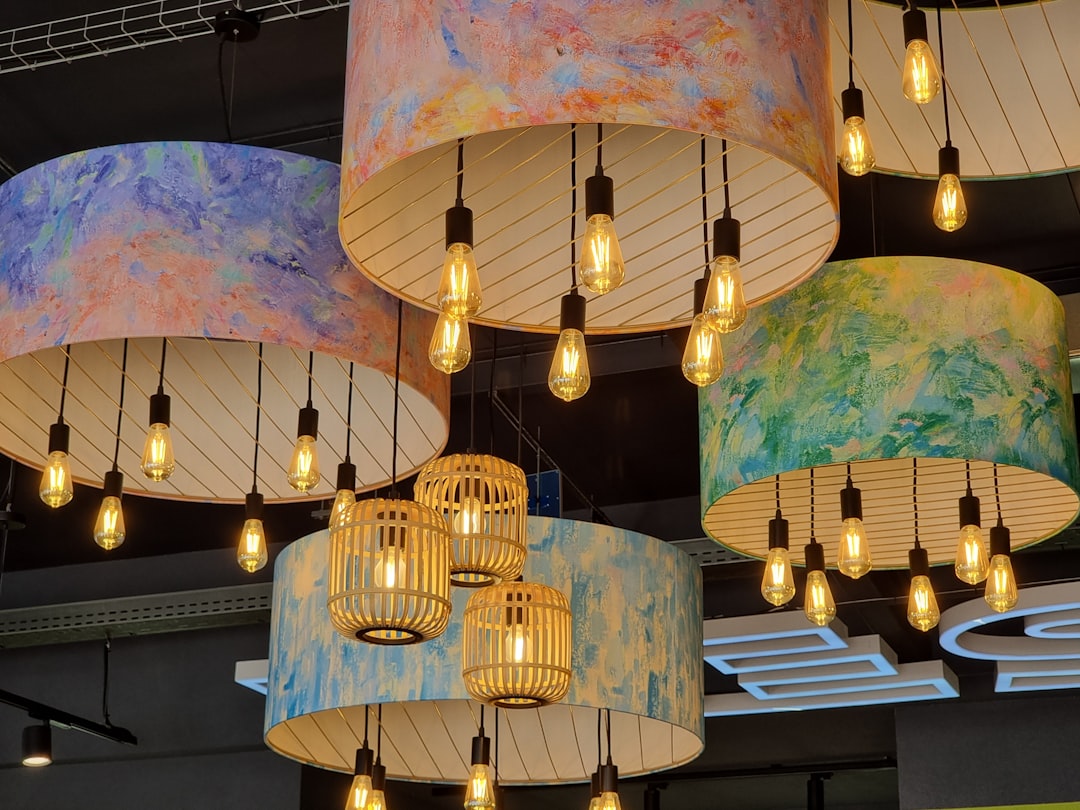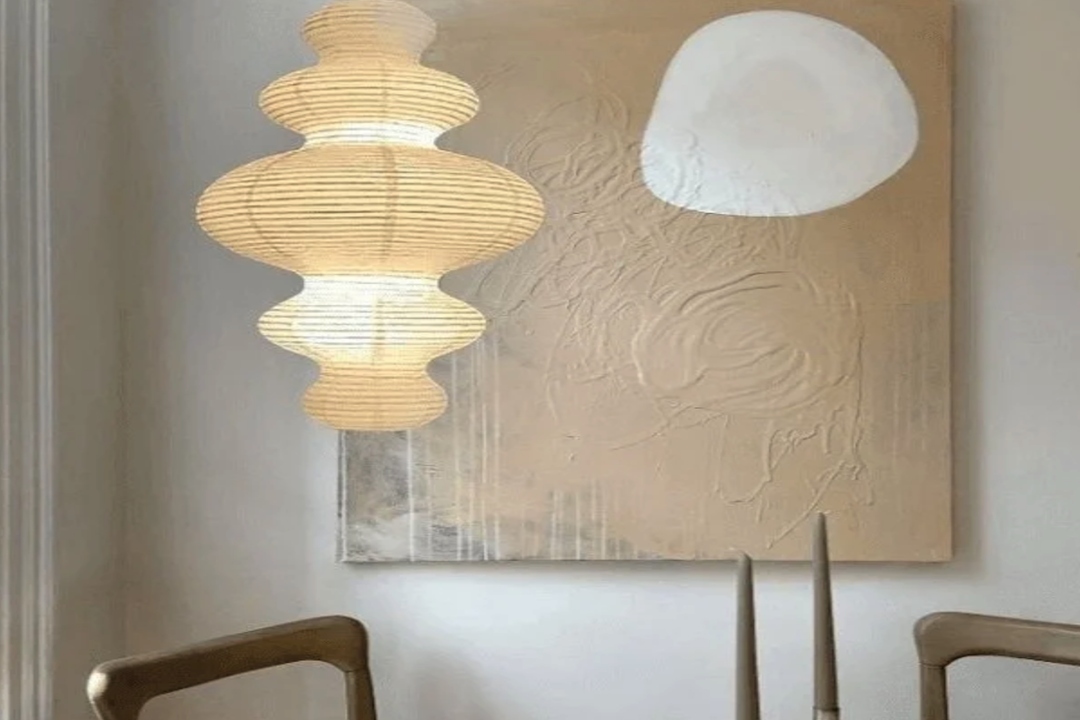
Oversized linen shade track lighting can absolutely transform your outdoor dining area, making it not only stylish but also incredibly functional and inviting. Forget those harsh, glaring lights – we’re talking about a softer, more sophisticated glow that perfectly complements al fresco meals and evening gatherings. It’s about creating an atmosphere, not just illuminating a space.
Why Oversized Linen Shades for Outdoors?
You might be thinking, “Linen outdoors? Really?” And yes, really! The key here is specifically designed outdoor-grade linen, or materials that mimic linen’s aesthetic while offering robust weather resistance. The “oversized” part is crucial because it makes a statement. In an outdoor setting, where spaces tend to be larger and more open, a small shade can look lost. An oversized shade commands attention, acts as a visual anchor, and diffuses light beautifully over a wider area.
The Appeal of Linen-Look Materials
Genuine linen, while beautiful, isn’t typically the most durable choice for constant outdoor exposure. However, manufacturers have gotten incredibly good at creating synthetic fabrics and treated natural fibers that offer the same textured, natural, and slightly diffused aesthetic of linen without the worry of mildew, fading, or rapid deterioration. These materials often include treated acrylics, spun polyester, or even specially coated natural blends. The goal is to get that soft, organic look that linen provides, which softens harsh light and adds a touch of casual elegance.
Making a Statement with Scale
When we talk about “oversized,” we’re not just throwing around a buzzword. It’s a deliberate design choice. Imagine a standard 10-12 inch diameter pendant shade over a large outdoor dining table; it would look tiny, almost insignificant. Now picture a 24-inch, 30-inch, or even larger shade. It becomes a focal point. This scale is particularly effective in outdoor spaces that are often open-concept, like patios, pergolas, or covered decks, where there are fewer walls or architectural elements to define the space. The larger shade helps to visually “bring down” the ceiling (even if it’s the sky) and create a more intimate, defined dining zone.
Softening the Outdoor Ambiance
Harsh, direct light can be jarring, especially in the evening. It creates stark shadows and can feel clinical. Oversized linen shades, with their inherent diffusion properties, filter and soften the light, eliminating glare and creating a much more pleasant, inviting glow. This is key for dining, as it makes food look more appealing and encourages relaxation and conversation. It mimics the kind of soft, ambient light you’d find indoors, making your outdoor space feel like a true extension of your home.
The Versatility of Track Lighting Outdoors
Track lighting has evolved significantly beyond its utilitarian origins in galleries and retail spaces. For outdoor dining, it offers unparalleled flexibility that fixed pendants simply can’t match. This adaptability is what makes it such a practical choice for dynamic outdoor living areas.
Adaptable Placement for Every Occasion
The biggest advantage of track lighting is the ability to reposition the light heads. Are you hosting a large dinner party and need light distributed evenly over an extended table? Slide the shades along the track. Having a more intimate gathering with a smaller table arrangement? Consolidate the shades over that specific area. This flexibility means your lighting can adapt to your furniture layout, guest count, and even the time of day, ensuring optimal illumination exactly where you need it.
Directional Control for Focused Illumination
Beyond just repositioning, most track light heads allow for directional adjustment. This means you can angle the light downwards to focus on the dining surface, or slightly outwards to highlight a decorative element, a potted plant, or even a pathway. This level of control is crucial for creating specific moods and ensuring that the light serves its purpose without spilling into areas where it’s not wanted. For example, you might want a direct, but soft, pool of light over your food, and a more ambient glow around the periphery.
Layering Light for Depth and Mood
Track lighting excels at facilitating layered lighting. You can combine the soft, diffused light from your oversized linen shades with other outdoor lighting elements – perhaps some string lights for sparkle, or discreet uplighting for architectural features. The track system provides a foundation for the ambient layer (from the oversized shades) while allowing you to add task or accent lighting as needed. This layering adds depth and visual interest, making the outdoor space feel more dynamic and less flat.
Aesthetic Integration with Architectural Styles
Modern track systems are sleek and often minimalist, allowing them to blend seamlessly into various outdoor architectural styles, from contemporary to rustic. They can be mounted to a pergola beam, a covered patio ceiling, or even a custom-built outdoor structure. The variety of finishes available for tracks and heads (black, bronze, white, brushed nickel) means you can match them to your existing outdoor hardware or aesthetic, ensuring the lighting system looks intentional and integrated, not just an afterthought.
Essential Considerations for Outdoor Track Lighting
Bringing any electrical component outdoors requires a bit more thought and planning than indoor installations. Safety and durability are paramount, so understanding the specific requirements for outdoor track lighting is non-negotiable.
IP Ratings: Your Best Friend for Outdoor Durability
The Ingress Protection (IP) rating system is crucial for any outdoor electrical fixture. It’s a two-digit number: the first digit indicates protection against solids (like dust), and the second indicates protection against liquids (like rain). For covered outdoor dining areas, you’ll generally want fixtures rated at least IP44, which protects against splashes from any direction. If your track lighting is exposed to direct rain or sprinklers, you’ll need something higher, like IP65 (dust tight, protected against powerful water jets) or even IP67 (dust tight, protected against temporary immersion). Always check the IP rating of both the track and the individual light heads. Don’t assume an outdoor-rated track comes with outdoor-rated heads, or vice-versa.
Material Choices for Longevity
Outdoor track lighting components need to withstand UV radiation, temperature fluctuations, humidity, and potentially salt air if you’re near the coast.
Track Materials
Look for tracks made from durable, corrosion-resistant materials. Aluminum with a powder-coated finish is common and good for most environments. Stainless steel is excellent for coastal areas but tends to be pricier. Avoid bare steel or materials that are prone to rust unless they have a very robust, outdoor-specific coating. The electrical conductors within the track also need to be protected from moisture.
Shade Materials
As mentioned earlier, true linen is generally not suitable. Instead, look for shades made from outdoor-grade synthetic fabrics like solution-dyed acrylic (e.g., Sunbrella), specialized polyesters, or vinyl-coated fabrics. These materials are engineered to resist fading, mildew, and tearing. Some natural materials like bamboo or rattan can be used if specifically treated for outdoor exposure and are in a very well-protected area, but even then, their longevity won’t match synthetics. The internal frame of the shade should also be made from a non-corrosive material like aluminum or PVC.
Fixture Housing
The housing for the light heads should also be weather-resistant. Cast aluminum, marine-grade stainless steel, or high-impact plastics are good choices. Ensure all seals and gaskets are designed for outdoor use to prevent water ingress into the electrical components.
Professional Installation for Safety and Compliance
Outdoor electrical installations are not a DIY project for most homeowners, especially when dealing with permanent fixtures like track lighting. It’s highly recommended to hire a qualified, licensed electrician. They will ensure:
- Proper Wiring: All wiring is correctly sized, grounded, and protected.
- GFCI Protection: Outdoor circuits must be protected by Ground Fault Circuit Interrupters (GFCIs) to prevent electric shock.
- Weatherproofing: All connections, junction boxes, and conduits are properly sealed and rated for outdoor use.
- Code Compliance: The installation adheres to local electrical codes and safety regulations.
- Transformer Considerations: Low-voltage track lighting systems (which are often safer outdoors) require a transformer. The electrician will ensure it’s properly sized, located, and protected.
Light Source Selection: LEDs are King
For outdoor lighting, LEDs are the undisputed champions.
Energy Efficiency
LEDs consume significantly less energy than incandescent or halogen bulbs, which is great for your electricity bill and the environment.
Longevity
LEDs have an incredibly long lifespan, often tens of thousands of hours. This means less frequent bulb changes, which is a huge convenience, especially for fixtures that might be harder to reach.
Durability
LEDs are solid-state devices, meaning they have no fragile filaments to break. They are more resistant to vibrations and temperature changes, making them ideal for the outdoor environment.
Color Temperature (CCT)
For outdoor dining, you’ll generally want warmer color temperatures to create a cozy, inviting atmosphere. Look for LEDs in the 2700K to 3000K range (warm white). Avoid cooler temperatures (like 4000K or higher) unless you’re aiming for a very modern, almost stark aesthetic.
Dimmability
Ensure your LED bulbs are dimmable and that your track lighting system and dimmer switch are compatible with LEDs. Dimmability is crucial for outdoor dining as it allows you to adjust the ambiance from bright task lighting to a subtle glow as the evening progresses.
Designing Your Outdoor Dining Oasis with Track Lighting
Now for the fun part: integrating this practical and stylish lighting into your outdoor space. It’s about more than just light; it’s about creating an experience.
Positioning the Track System
The placement of the track itself is fundamental.
Centered Over the Dining Area
The most common and effective approach is to position the track directly over the center of your primary dining table. This ensures that the light shades can be distributed to provide even illumination across the table surface. For rectangular tables, a single linear track or a parallel pair of tracks works well. For round or square tables, a single track can still work, or you might consider a U-shaped or square track configuration if you want to hang multiple shades more symmetrically.
Under Pergolas or Covered Patios
Track lighting is particularly well-suited for pergolas or covered patio structures. The beams and ceiling provide ideal mounting surfaces. You can run the track directly along or between joists, or suspend it slightly below for a more contemporary look. Ensure the structure can support the weight of the track and fixtures, though most are relatively light.
Considering Clearance and Headroom
Always factor in headroom. You don’t want oversized shades hanging so low that they obstruct views, make conversation difficult, or risk being bumped. A good rule of thumb is to have the bottom of the shade at least 30-36 inches above the tabletop. For larger shades, you might want to go a bit higher, especially if your ceiling is high, to maintain visual balance.
Selecting the Right Oversized Shades
The shades are where your personal style really shines.
Shape and Form
Oversized shades come in various shapes:
- Drum: Classic and versatile, provides even light distribution.
- Cone/Tapered: Directs light more downwards, can add a sculptural element.
- Empire: A slightly more traditional, elegant look.
- Bell: Similar to drum but with a slight flare, very forgiving.
- Abstract/Organic: For a truly unique statement, consider shades with more unusual, perhaps sculptural, forms that draw inspiration from nature.
The shape should complement your outdoor furniture and overall aesthetic. A sleek, modern dining set might pair well with drum or cone shades, while a more traditional or rustic setup might suit an empire or bell shape.
Color and Texture
While “linen” implies a certain color, outdoor-grade linen-look fabrics come in a range of natural and muted tones.
- Natural/Off-White: Provides the truest linen feel, brightens the space, and offers excellent light diffusion.
- Light Grey/Taupe: Offers a sophisticated, contemporary look, still diffuses light well but can create a slightly moodier ambiance.
- Soft Earth Tones (e.g., muted sage, light terracotta): Can add a subtle pop of color and warmth without being overwhelming.
Consider the texture of the fabric. A coarser, more visible weave will have a more rustic or organic feel, while a smoother finish will appear more refined.
Number and Spacing of Shades
This depends on the length of your track and the size of your dining table.
- Long Rectangular Tables: Two or three oversized shades spaced evenly along the track will likely provide the best coverage and visual balance.
- Square or Round Tables: One large, centrally placed shade can be very impactful. If using multiple, ensure they are clustered appropriately.
- Visual Balance: Don’t overcrowd the track. The “oversized” nature means fewer shades are often needed to make a statement and provide ample light. Allow enough space between them so they don’t look crammed.
Integrating with Other Outdoor Decor
Your lighting shouldn’t exist in a vacuum.
Furniture Style
Ensure the style of your oversized linen shades complements your outdoor dining furniture. A sleek, minimalist shade with clean lines will feel right at home with modern patio furniture, while a more textured, slightly rustic shade might be perfect for a reclaimed wood table.
Plantings and Greenery
The soft light from linen shades beautifully highlights plants and trees. Consider placing potted plants or climbing vines where they can be softly illuminated, adding depth and a natural element to your dining space.
Textiles and Accessories
Echo the softness of the linen shades with outdoor cushions, throw blankets, and table linens in complementary textures and colors. This creates a cohesive, inviting environment. For instance, if your shades are a natural linen color, incorporate natural fiber placemats or ceramic serving dishes.
Fire Features
If you have an outdoor fireplace or fire pit, the soft glow from your linen shades will harmonize wonderfully with the flickering flames, enhancing the cozy, intimate atmosphere. The aim is to create layers of light that work together, not compete.
Maintaining Your Outdoor Linen Shade Track Lighting
Even with weather-resistant materials, a little care goes a long way in ensuring your outdoor lighting stays looking good and functioning properly for years.
Regular Cleaning Routines
The outdoor environment means your shades and track system will accumulate dust, pollen, spiderwebs, and possibly even bird droppings.
Shade Cleaning
- Dusting: Regularly dust the shades with a soft brush or a microfiber cloth to prevent buildup.
- Spot Cleaning: For specific marks or stains, check the manufacturer’s cleaning instructions for the specific fabric. Often, a mild soap solution (like dish soap) diluted in water, applied with a soft cloth and gently blotted, will work. Always test in an inconspicuous area first. Rinse thoroughly and allow to air dry completely.
- Deep Cleaning: Some outdoor fabrics can be gently hosed down, but ensure the shade is removable and designed for this. Never hose down the electrical components.
Track Cleaning
Wipe down the track with a damp cloth to remove dirt and grime. For metal tracks, a mild cleaner suitable for the metal type can be used. Ensure no liquids drip into the electrical channel.
Seasonal Checks and Inspections
Make it a habit to inspect your lighting system at least twice a year, ideally at the start of spring and the end of fall.
Wiring and Connections
Look for any frayed wires, exposed insulation, or loose connections. Pay particular attention to where the track connects to the power source and where individual heads connect to the track. If you see any damage, do not attempt to fix it yourself; call a qualified electrician.
Fixture Integrity
Check the light heads and shades for any cracks, damage, or signs of wear. Ensure all screws and fasteners are tight. Verify that all seals and gaskets are still intact around the electrical components to prevent water ingress.
Bulb Condition
Replace any burnt-out bulbs promptly. If using dimmable LEDs, ensure they are still dimming correctly. Sometimes bulbs can start to flicker or dim unevenly before failing completely.
Protecting During Extreme Weather
While designed for the outdoors, extreme weather can still take a toll.
High Winds
If high winds are anticipated, consider removing the shades if they are easily detachable. Large shades can act like sails and put stress on the mounting points.
Heavy Snow/Ice
In regions with heavy snowfall, ensure that the track and shades are not accumulating excessive snow or ice, which can add significant weight and potentially damage the fixtures or structure. If possible and safe, gently brush snow off.
Off-Season Storage
If you live in an area with particularly harsh winters or hot, sunny summers and your shades are easily removable, consider storing them indoors during the off-season. This can significantly extend their lifespan and preserve their appearance. Clean them thoroughly before storing in a dry, dark place.
By investing in high-quality, outdoor-rated components and following a sensible maintenance plan, your oversized linen shade track lighting system will provide years of beautiful, functional illumination for your stylish outdoor dining space.