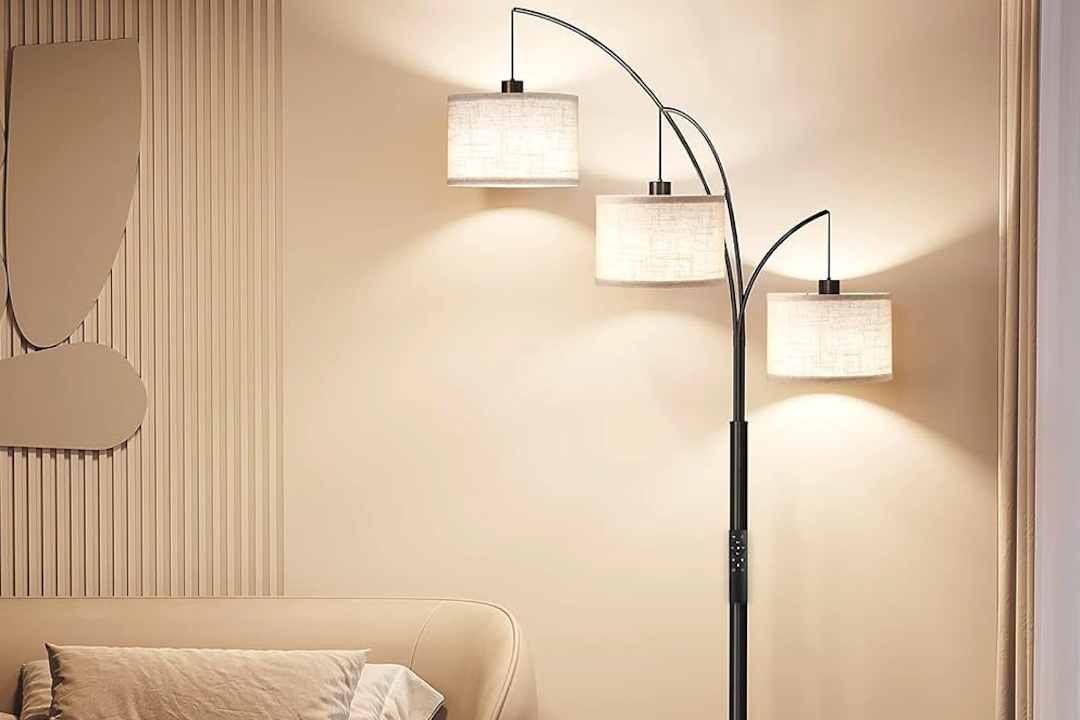
Let’s talk about making your bedroom a bit more chill and comfy, specifically with lighting. So, can a remote-controlled floor lamp actually make your bedroom lighting more convenient? The short answer is a resounding yes, and it goes beyond just not having to get out of bed to flip a switch. It’s about control, mood, and genuinely making your space work better for you.
The Basics: What Exactly IS a Remote-Controlled Floor Lamp?
Think of a regular floor lamp, the kind that stands on its own and gives you that ambient glow. Now, imagine that lamp comes with a little remote control, or connects to an app on your phone, or even works with voice commands. That’s the gist of it. It’s a lighting 88off fixture that you can adjust without physically touching it.
More Than Just On and Off
The “remote-controlled” part often implies more functionality. We’re not just talking about a simple on/off switch here. These lamps usually offer a range of features that elevate the convenience factor.
Dimming Capabilities
This is a big one. Being able to adjust the brightness from super bright for reading to a soft, dim glow for winding down is a game-changer. No more harsh overhead lights when you just want to relax.
Color Temperature Adjustment
Some of these lamps let you change the “warmth” of the light. You can go from a cool, crisp white light for tasks to a warm, cozy amber for a more intimate feel. This adaptability is key to creating different moods.
Pre-set Modes and Scenes
Many modern remote-controlled lamps come with pre-programmed settings. Think “reading mode,” “movie mode,” or “wake-up light.” This takes the guesswork out of setting the perfect ambiance.
Setting the Mood: How it Enhances Your Bedroom Experience
Your bedroom isn’t just for sleeping; it’s your sanctuary. Lighting plays a massive role in how you feel in that space, and a remote-controlled floor lamp gives you granular control over it.
The Unwinding Ritual
Picture this: You’re snuggled in bed, ready to read or just relax before sleep. Instead of fumbling for a bedside lamp switch, you pick up your remote or use your voice. You dim the light to a gentle glow, perhaps even shift it to a warmer tone. Your eyes aren’t strained, and you’re easing into sleep mode more naturally.
Reducing Nighttime Disturbances
Getting out of a warm bed in the middle of the night, especially in winter, is never fun. If you need to get up, a remote control means you can turn on a low-level light without waking yourself or your partner further.
Creating Zones of Comfort
Even in a small bedroom, you might have different “zones” of activity. One corner might be for reading with a brighter light, while another is for general ambiance. A floor lamp can be repositioned and adjusted to serve these different needs without needing multiple fixtures.
Wake-Up Light Feature
This is a less common but increasingly popular feature. Some smart lamps simulate a sunrise, gradually increasing light over a period before your alarm. This can lead to a more gentle and natural waking experience compared to a jarring alarm sound.
Gradual Illumination
Imagine waking up to a soft, warm light that slowly brightens, like a gentle dawn. This can trick your brain into thinking it’s time to wake up naturally, making it easier to get out of bed feeling more refreshed.
Smart Home Integration: Taking Convenience to the Next Level
Many remote-controlled floor lamps are part of the larger smart home ecosystem. This opens up a whole new world of convenience and customization.
Voice Control is Your Friend
If you have a smart speaker like an Amazon Echo or Google Home, you can often integrate your lamp. This means you can literally say “Turn on the bedroom lamp to 50%” or “Set the bedroom light to reading mode.” It’s hands-free convenience at its finest.
“Hey Google, dim my bedroom light.”
“Alexa, change the bedroom lamp to warm white.”
App Control: Your Phone is the Remote
Most smart lamps come with their own dedicated apps. These apps offer more advanced control than a physical remote, allowing you to set schedules, create custom scenes, and even control the lamp when you’re not home (though this is less crucial for a bedroom lamp).
Scheduling Your Lighting
Want your lamp to automatically turn on to a dim setting at 9 PM? Or perhaps come on at a low level if you’re away and want to deter potential intruders? Scheduling is incredibly versatile.
Energy Monitoring (Sometimes)
Some smart platforms can even track energy usage, giving you insights into your electricity consumption. While not the primary convenience factor, it’s a nice bonus for the environmentally conscious.
Practical Considerations: What to Look For When Buying
When you’re on the hunt for one of these convenient lamps, keeping a few practical points in mind will help you make a good choice.
Type of Control
Decide what level of control you want. Is a simple physical remote enough? Or do you want the full smart home integration with voice and app control? This will significantly narrow down your options.
Physical Remote vs. App Control
A physical remote is straightforward, but can be lost. App control offers more features but requires a smartphone.
Voice Assistant Compatibility
If you’re a smart home user, ensure the lamp works with your chosen voice assistant (Alexa, Google Assistant, etc.).
Light Quality and Features
Don’t just focus on the “remote” aspect. The light itself is crucial.
Brightness (Lumens)
Consider how bright you need the lamp to be. For general ambient lighting, lower lumens are fine. For reading, you’ll want something with higher lumen output or good dimming capabilities.
Color Rendering Index (CRI)
A higher CRI means colors will appear more natural under the lamp’s light. This is especially important if you want accurate color representation in your bedroom.
Beam Angle and Spread
How wide is the light spread? Does it cast an even glow, or is it a focused beam? Consider how you want the light to fill your room.
Design and Placement
It’s still a floor lamp, after all! It needs to fit your room’s aesthetic and your practical needs.
Height and Reach
Ensure the lamp is tall enough to cast light where you need it, whether that’s over a sofa or beside a bed. Some have adjustable arms for more flexibility.
Style and Finish
Choose a design that complements your existing bedroom decor. They come in all sorts of styles, from modern minimalist to more traditional.
Beyond the Bedroom: Versatility and Other Uses
While we’re focusing on the bedroom, the convenience of a remote-controlled floor lamp extends beyond just that one room.
Living Room Ambiance
In a living room, these lamps are perfect for setting the mood for movie nights, entertaining guests, or just relaxing with a book without having to get up. You can adjust the lighting without interrupting your activity.
Home Office Productivity
Need a bit more focused light for working from home? A floor lamp with adjustable brightness and color temperature can be a great addition to a home office. You can easily brighten it up for tasks and dim it down when you’re done.
Enhancing Task Lighting
For specific activities like crafting, hobby work, or even applying makeup, a floor lamp that can be easily adjusted for brightness and directed precisely can be invaluable. The remote control means you can make those small but important adjustments without moving.
Creating a Welcoming Entrance
A well-placed floor lamp in a hallway or entryway can provide a warm welcome. With remote control, you can ensure it’s on when you need it and off when you don’t, saving energy and adding a touch of sophistication.
Installation and Setup: What to Expect
Generally, setting up a remote-controlled floor lamp is pretty straightforward, especially for those without smart home integration.
Simple Plug-and-Play
Most non-smart remote-controlled lamps are just like any other floor lamp. You assemble the base, attach the pole segments, screw in the shade, and plug it in. The remote usually comes pre-paired or has a simple pairing process, often by holding a button.
Smart Lamp Setup
For smart lamps, the initial setup involves connecting it to your home Wi-Fi network. This usually happens through the lamp’s dedicated app. You’ll typically need to download the app, create an account, and follow the on-screen instructions to find and connect your lamp to your network. Once connected to Wi-Fi, you can then link it to your voice assistant if desired.
App Downloading and Account Creation
Wi-Fi Connection Process
Voice Assistant Integration Steps
Troubleshooting Common Issues
Occasionally, you might run into minor hiccups.
Remote Not Working
Check the battery in the remote. Ensure there are no obstructions between the remote and the lamp’s receiver. Some lamps have a manual override button on the lamp itself.
Smart Lamp Not Connecting to Wi-Fi
Ensure your Wi-Fi password is correct. Try moving the lamp closer to your router during setup. Sometimes, a simple router reset can also resolve connection issues.
Voice Commands Not Recognized
Make sure the lamp is properly linked to your voice assistant account. Check that you’re using the correct wake word and command phrasing.
Cost and Value: Is it Worth the Investment?
The price of remote-controlled floor lamps can vary significantly, from budget-friendly options for basic functionality to premium smart lamps with all the bells and whistles.
Budget-Friendly Options
You can find basic remote-controlled floor lamps for around $30-$50. These often come with a simple RF (radio frequency) remote that has basic dimming and on/off functions. They offer a taste of convenience without a hefty price tag.
Mid-Range Smart Lamps
In the $70-$150 range, you’ll start seeing more feature-rich smart lamps. These will typically offer app control, color temperature adjustments, and sometimes basic voice control integration through popular platforms.
Premium Smart Lamps
High-end smart lamps can cost $150 and upwards. These offer advanced features like full RGB color control, advanced scene customization, excellent build quality, and seamless integration with various smart home ecosystems.
Long-Term Value
Consider the value beyond the initial purchase price. The convenience, energy savings (if you’re diligent about turning it off), and ability to create a more pleasant and functional living space can add up to significant long-term value. It’s about enhancing your daily life.
Ultimately, a remote-controlled floor lamp can transform how you interact with your bedroom lighting. It’s not just about reducing effort; it’s about creating a more adaptable, enjoyable, and personalized environment.