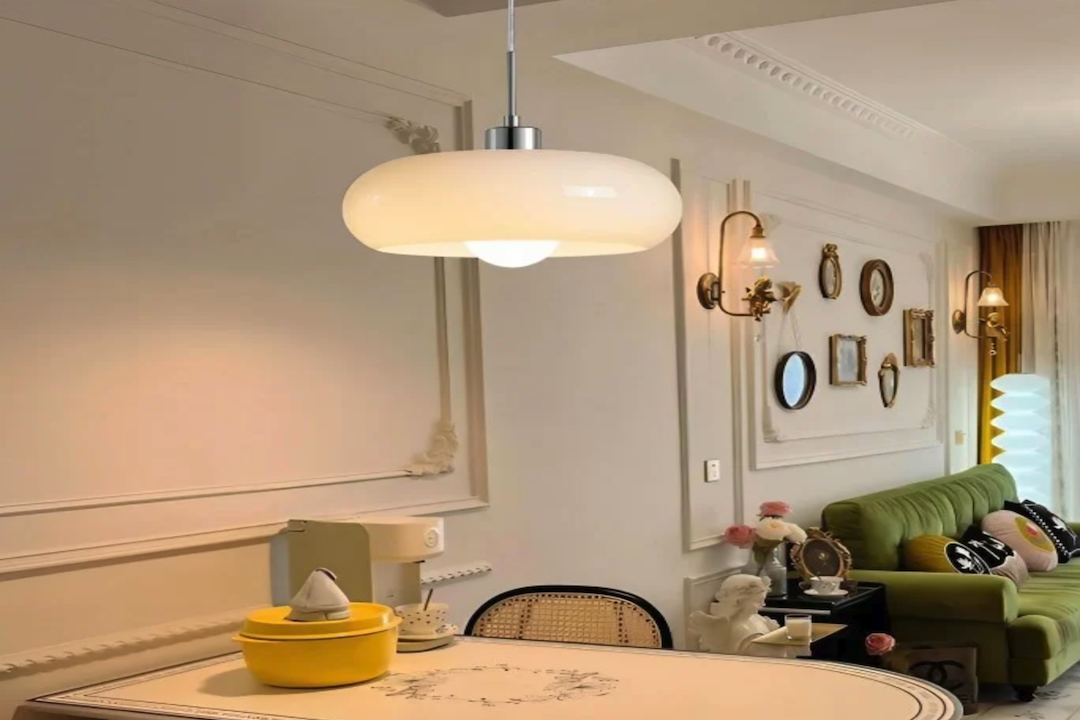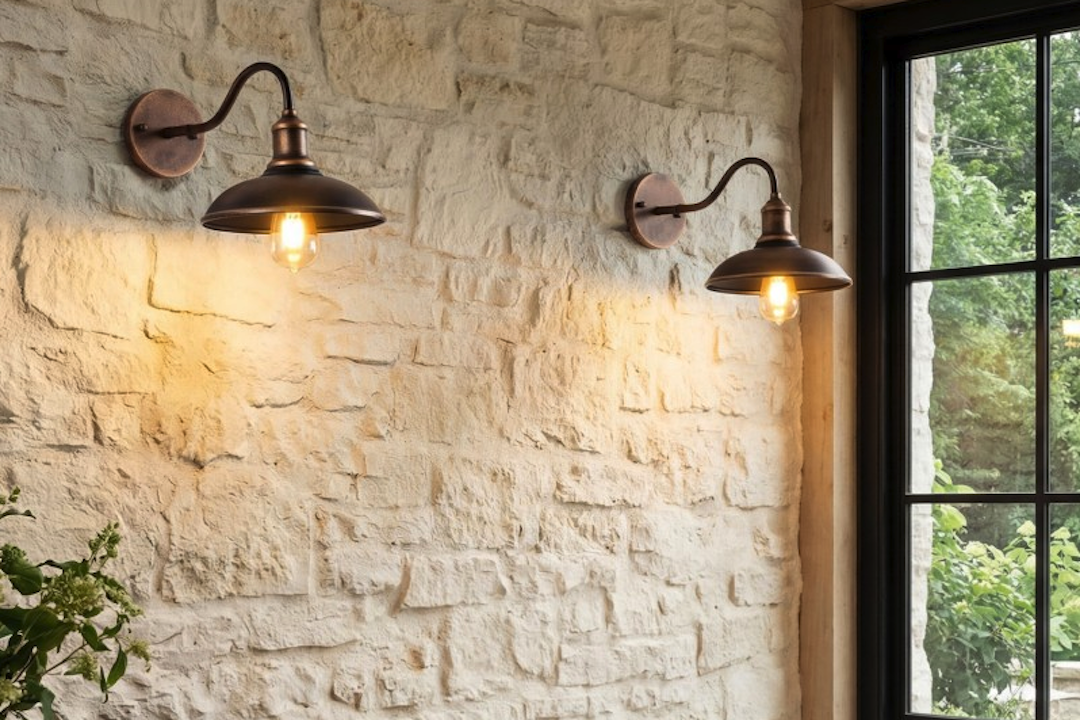
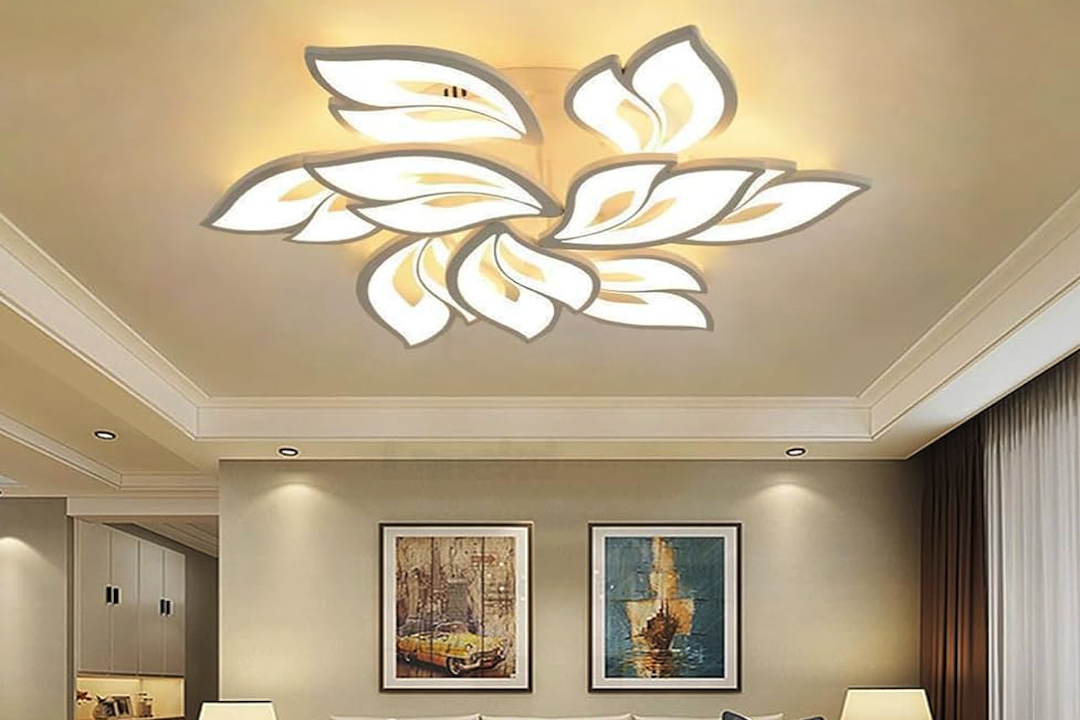
Let’s talk about lighting. Specifically, how you can level up your living room with some smart ceiling light choices. Think of your ceiling light not just as a functional necessity, but as a key piece that can really make your space sing. Forget those boring boob lights of the past; modern living rooms deserve better. The good news is, there’s a whole world of stylish ceiling lights out there that can transform the mood and utility of your main hangout zone.
The Foundation: Why Ceiling Lights Matter for Your Living Room, Really
It might sound obvious, but good lighting 88off is everything. It’s the first layer of light you have, the general ambience setter. A well-chosen ceiling fixture can banish dark corners, make a room feel bigger, and even complement your existing decor. When we talk about living rooms, we’re talking about a space that often pulls double duty: it’s where you relax, entertain guests, maybe even catch up on work or help with homework. This means your lighting needs to be versatile, and a smart ceiling fixture is the backbone of that versatility.
Beyond the Basic Bulb: Understanding Modern Ceiling Light Types
The days of a single, naked bulb hanging from the ceiling are long gone. Today, ceiling lights come in a vast array of designs, each offering something a little different. It’s about choosing a fixture that not only illuminates but also adds character to your living room.
Layers of Light: The Importance of a Primary Source
Your ceiling light is your primary light source. It’s the workhorse that provides the general illumination for the entire room. Without it, even with lamps, you’ll likely have shadows and a less inviting atmosphere. This isn’t just about brightness; it’s about how evenly the light is distributed and the kind of mood it sets.
Ambient Lighting: The Overall Feel
Ambient lighting is all about creating a comfortable and welcoming atmosphere. It’s the soft, diffused light that fills the room. Your ceiling fixture is the main player in this game. Think about how the light emanates from the fixture – does it cast a wide glow, or is it more focused? The material of the shade and the design of the fixture itself play a huge role in how this ambient light is delivered.
Task Lighting (When Your Ceiling Light Steps Up)
While lamps are more traditionally associated with task lighting (reading, crafting, etc.), some modern ceiling lights can also contribute. Think about fixtures with adjustable arms or directional spotlights. These can be incredibly useful for specific areas within your living room.
Accent Lighting (Subtle Contributions)
Even ambient ceiling lights can have a subtle accent effect. The way light bounces off walls and ceilings can highlight architectural features or artwork. It’s not direct accent lighting like a spotlight on a painting, but it’s a consideration when thinking about the overall lighting scheme.
What Kind of Style Are You Going For?
The aesthetic of your ceiling light is as important as its function. This is where the “stylish” part really kicks in. Your living room decor is important, and your ceiling fixture should harmonize with it, or even be a statement piece that drives the whole look.
Minimalist Marvels: Clean Lines and Subtle Presence
If your living room leans towards a minimalist aesthetic, you’ll want ceiling lights that are understated and sleek. Think geometric shapes, simple metallic finishes, or frosted diffusers that blend seamlessly into the ceiling. The goal here is to provide light without drawing too much attention to the fixture itself.
- Recessed Lighting: While not always a “design” piece in the traditional sense, strategically placed recessed lights can offer a clean, integrated look. They’re great for providing even illumination without any visual clutter. Modern recessed lights often come with dimming capabilities and different color temperature options.
- Ultra-Thin Surface Mounts: These are the modern evolution of the flush mount. They sit very close to the ceiling, often with a slim profile and a modern diffuser. They can achieve a surprisingly stylish look, especially in a matte black or brushed nickel finish.
- Linear Pendants (Low Profile): For a slightly more modern and architectural feel, low-profile linear pendants can work. They offer a more directed light than a general ambient fixture but can still provide a good amount of overall illumination if sized correctly and numerous enough.
Mid-Century Modern Charm: Retro Vibes, Modern Execution
Mid-century modern design is having a huge resurgence, and its lighting certainly reflects that. Think Sputnik-style chandeliers, geometric shades, and a mix of materials like brass, wood, and glass.
- Sputnik Chandeliers: These iconic fixtures, with their radiating arms and multiple bulbs, are a fantastic way to add a statement piece. They provide a lot of light and are great conversation starters. Modern interpretations often come in updated finishes and with LED bulbs.
- Geometric Shades: Fixtures with shades in geometric shapes – spheres, cubes, or interconnected forms – are very characteristic of MCM design. They offer a playful yet sophisticated look.
- Globe Lights: Clusters of globe lights, whether clear, frosted, or colored glass, are another popular MCM choice. They offer a soft, diffused light and a lot of visual interest.
Industrial Chic: Raw Materials and Exposed Elements
If your living room embraces an industrial aesthetic, you’ll be looking for lighting with a more raw, utilitarian feel. Think exposed bulbs, metal cage designs, and darker finishes like matte black or brushed steel.
- Cage Lights: Fixtures with metal cages around the bulbs are a classic industrial look. They offer a strong visual statement and can provide a good amount of light.
- Exposed Filament Bulbs (LED Equivalents): While actual incandescent filament bulbs are becoming less common due to energy efficiency, LED versions that mimic the old Edison bulbs are readily available. Many industrial ceiling lights are designed to showcase these.
- Track Lighting (Modernized): You might not immediately think of track lighting for a living room, but modern versions are much more stylish than their office counterparts. With sleek heads and finishes, they can offer flexible lighting for different zones.
Contemporary Flair: Bold Shapes and Unexpected Materials
Contemporary design is all about embracing the new and the unexpected. This can translate to ceiling lights with dramatic silhouettes, innovative materials, or a fusion of different styles.
- Sculptural Fixtures: Think of ceiling lights that are works of art in themselves. These might be made from unusual materials like woven rattan, layered acrylic, or even concrete. They are designed to be a focal point.
- Oversized Pendants: A single, large pendant can make a statement in a contemporary living room. The scale is important here; it needs to be proportionate to the room size.
- Multi-Tiered Designs: Fixtures with multiple layers or rings of light can add depth and visual interest, creating a dynamic lighting effect.
The Unsung Heroes: Materials and Finishes That Elevate
It’s not just about the shape or the style; the materials and finishes of your ceiling light play a crucial role in its overall impact and how it integrates with your living room.
Metal Matters: From Sleek to Statement
Metals are a staple in ceiling light designs, and the finish can drastically change the feel of the fixture.
- Brushed Nickel/Chrome: These offer a clean, modern, and often cool-toned look. They work well in contemporary and minimalist spaces, reflecting light and making a room feel brighter.
- Matte Black: This is a hugely popular finish for a reason. It’s sophisticated, versatile, and can add a touch of industrial or contemporary edge without being overpowering. It grounds a space and can make metal elements recede or stand out depending on the context.
- Brass (Polished and Antiqued): Brass has made a serious comeback. Polished brass offers warmth and a touch of luxury, fitting well in more traditional or art deco-inspired spaces. Antiqued or brushed brass offers a more subdued, vintage feel that’s excellent for MCM or industrial looks.
- Bronze: Deep, rich bronze finishes can add a sense of warmth and elegance, often seen in more traditional or transitional living rooms.
Glass and Beyond: Transparency, Texture, and Light Diffusion
The material covering the bulb(s) is crucial for how light is diffused and the overall aesthetic.
- Frosted Glass: This is a classic for a reason. It softens the light, reduces glare, and creates a more diffused, ambient glow. It’s a safe bet for most living rooms wanting a gentle illumination.
- Clear Glass: Often used in globe lights or for showcasing decorative bulbs, clear glass offers a less diffused light. It can be more direct and allows you to see the bulb itself, which is why decorative bulbs are a good pairing.
- Acrylic/Lucite: These modern materials can be used for diffusers or even the entire fixture. They offer a sleek, almost invisible look or can be molded into interesting shapes, reflecting light in unique ways.
- Opal Glass: Similar to frosted glass but often has a more opaque, milky appearance. It provides excellent diffusion for a soft, even light.
- Fabric Shades: Less common for primary ceiling lights in many modern living rooms, but fabric shades can offer a very soft, diffused, and warm light. They tend to lean more traditional or transitional.
Wood and Other Natural Elements: Bringing Warmth In
Incorporating natural materials can add a layer of warmth and texture to your ceiling lights, bridging the gap between contemporary and organic styles.
- Wood Accents: Many modern fixtures incorporate wood elements, from the base to decorative details. This can add a Scandinavian or bohemian touch.
- Rattan/Wicker: These woven materials are fantastic for adding texture and a bohemian or natural feel. Pendant lights made from rattan can cast interesting dappled light.
Beyond the Look: Practical Considerations for Your Ceiling Light
Style is important, but a ceiling light needs to be practical for your living room’s needs.
Size and Scale: Getting it Right for Your Space
This is a common pitfall. A light fixture that’s too big can overwhelm a small room, while one that’s too small can get lost in a large space. There are general guidelines, but also trust your eye.
- Living Room Width + Length: A common rule of thumb is to add the room’s length and width in feet. The resulting number in inches is a suggested diameter for your main ceiling fixture. For example, a 15ft x 20ft room might suggest a fixture around 35 inches in diameter.
- Ceiling Height: How high is your ceiling? A very low ceiling might require a flush mount or semi-flush mount to avoid making the room feel smaller. A high ceiling can accommodate larger, more dramatic pendant or chandelier styles.
- Placement: Where will the light sit in relation to furniture? You don’t want a pendant hanging directly over someone’s head if they’re sitting on a couch. Consider the main areas of traffic and use.
Dimmable vs. Non-Dimmable: The Power of Control
Seriously, get dimmable. This is probably the single most impactful practical feature you can add to your living room lighting.
- Mood Setting: Dimmers allow you to adjust the light intensity for different activities and moods. Bright for cleaning or tasks, low for a cozy movie night, and somewhere in between for general conversation.
- Energy Savings: Dimming lights also reduces energy consumption.
- Compatibility: Ensure the ceiling fixture and the bulbs you choose are dimmable, and that your wall switch is also a dimmer.
Light Color Temperature: Warm vs. Cool
This refers to the color of the light itself, measured in Kelvin (K). It has a huge impact on the atmosphere of your room.
- Warm White (2700K – 3000K): This is closest to incandescent light and creates a cozy, inviting, and relaxing atmosphere. It’s generally the preferred choice for living rooms.
- Cool White (3500K – 4100K): This has a more neutral, slightly bluish tone. It can be good for task-oriented areas but can feel less welcoming in a living room space.
- Daylight (5000K+): This is very blue-toned and is best for very specific task lighting (like in a workshop) or areas where you need to see detail. It’s generally not recommended for living rooms as it can feel sterile.
LED vs. Other Bulbs: The Modern Standard
LEDs are the clear winners these days for practicality and efficiency.
- Energy Efficiency: They use significantly less electricity than incandescent or halogen bulbs, saving you money on your energy bills.
- Longevity: LEDs last much, much longer, meaning fewer bulb changes and less hassle.
- Variety: They come in a vast array of shapes, sizes, and color temperatures, including dimmable options.
- Heat Output: LEDs produce less heat than older bulb types, which is safer and also means they don’t contribute as much to warming up your room.
Bringing it All Together: Design Concepts for Your Living Room Ceiling Light
Let’s look at some specific ways to use modern ceiling lights to achieve different living room vibes.
The Statement Piece: Making Your Ceiling Light the Star
Sometimes, you want your ceiling light to be the undisputed focal point of the room. This is where bold designs, dramatic scale, and unique materials come into play.
- Oversized Sculptural Pendants: Imagine a large, artfully designed pendant hanging centrally in a living room with a vaulted ceiling. It acts as a piece of art and a functional light source.
- Multi-Bulb Chandeliers (Modern Interpretations): Think less crystal and more geometric metalwork or interesting glass forms. A Sputnik chandelier with 12 arms or a cluster of different-sized glass orbs can command attention.
- Architectural Lighting: Some ceiling fixtures are designed to mimic architectural elements, perhaps a series of intersecting lines or a dramatic geometric frame that becomes a visual anchor.
The Integrated Look: Seamless Illumination
For a cleaner, more understated look, the goal is for the lighting to complement rather than dominate.
- Sleek Recessed Lighting Zones: Instead of a single overhead light, a well-planned system of recessed lights can provide even illumination. Consider varying the spacing to create different light pools. Using trims that match the ceiling color makes them almost disappear.
- Low-Profile Surface Mounts: A modern, flat fixture with a high-quality diffuser can offer excellent ambient light without protruding too much. These are great for rooms with lower ceilings or where you want a minimalist approach.
- Linear Diffused Fixtures: A long, slim fixture that runs along the ceiling can provide a continuous wash of light, perfect for long, narrow living rooms or to create a contemporary architectural line.
The Layered Approach: Working with Other Lights
Your ceiling light rarely works in isolation. It’s ideally part of a broader lighting strategy.
- Ambient Ceiling Light + Task Floor/Table Lamps: This is the classic setup. Your ceiling light provides the general glow, and then you bring in floor and table lamps for focused reading or accent lighting on side tables.
- Dimmer-Controlled Ceiling Light + Accent Wall Washers: Use a dimmable ceiling light for general ambience, and then complement it with wall-mounted accent lights that highlight artwork or architectural features.
- Uplighting from a Ceiling Fixture: Some modern ceiling lights are designed to direct a portion of their light upwards towards the ceiling. This creates a soft, diffused glow that bounces back into the room, reducing glare and adding to the ambient feel.
When you’re choosing a ceiling light for your living room, think beyond just “does it turn on?” Consider the mood it sets, how it integrates with your decor, and most importantly, how it can be controlled to suit your life. Modern living rooms deserve lighting that’s as dynamic and stylish as the spaces themselves.