When you’ve got a narrow hallway, the question of how to light it effectively often pops up. The usual suspects – overhead lights – can feel a bit much, casting deep shadows and making the space feel even more cramped. That’s where wall sconces come in, and specifically, soft illumination from narrow hallway wall sconces. These aren’t about blasting light into the room; they’re about creating a comfortable, inviting atmosphere that makes your hallway feel less like a tunnel and more like a welcoming passage.
Why Soft Illumination in a Narrow Hallway is a Smart Choice
A narrow hallway presents a unique lighting 88off challenge. Overly bright, direct light can be glaring and make the space feel claustrophobic. Soft illumination, on the other hand, uses light that’s diffused, indirect, or intentionally low-intensity. Think of it as a gentle glow rather than a spotlight. This approach has a few key benefits for your hallway.
Making the Space Feel Wider
One of the biggest advantages of soft sconce lighting is its ability to visually expand a narrow space. Instead of a single, harsh light source in the ceiling that creates strong contrasts and emphasizes depth, sconces spread light across the walls. This even distribution tricks the eye into perceiving a broader area.
The Illusion of Depth
When light spills upwards and downwards from sconces, it washes the walls with a subtle radiance. This indirect lighting minimizes sharp shadows that can make a hallway feel like a tunnel. The walls, gently illuminated, appear to recede, creating an illusion of greater width.
Avoiding Harsh Glare
Direct overhead lighting can create an unpleasant glare, especially in long, narrow corridors where you’re likely to be looking towards the light source as you move. Soft illumination uses shades, diffusers, or backward-facing bulbs to soften this glare, making the hallway a more pleasant place to be.
Enhancing Ambiance and Mood
Beyond just practical concerns, soft lighting significantly impacts the mood of your hallway. It transforms it from a purely functional space into an area that can feel warm, inviting, and even a little bit luxurious.
Creating a Welcoming Entryway
Whether your hallway leads to your front door or to other living areas, the impression it makes is important. Soft sconce lighting provides a gentle welcome, setting a more relaxed and friendly tone from the moment someone steps inside.
Adding a Touch of Sophistication
Well-chosen sconces can be design statements in themselves. When paired with soft light, they add a layer of sophistication and personality that a harsh overhead fixture simply can’t achieve. It’s a subtle detail that can elevate the entire feel of your home.
Choosing the Right Narrow Hallway Wall Sconce
The “narrow” in narrow hallway wall sconce indicates the fixture’s design is generally streamlined and doesn’t protrude too far from the wall. This is crucial for avoiding a collision course with passing shoulders. But beyond dimensions, the type of light emitted is key to achieving that soft illumination.
Understanding Diffused Light
Diffused light is light that has been scattered or spread out. This is the primary mechanism behind soft illumination. Instead of seeing a distinct light bulb, you see a more uniform glow.
Frosted Glass and Acrylic Shades
Many sconces achieve diffusion through their shades. Frosted glass, milk glass, or opal acrylic are common materials that scatter light evenly. These materials soften the harshness of the bulb, distributing light more broadly and avoiding bright spots.
Fabric Shades
Similar to frosted glass, fabric shades (often linen or silk) for wall sconces offer a very soft, warm diffusion. However, it’s important to consider fire safety and maintainability with fabric.
The Role of Uplighting and Downlighting
The direction of light from a sconce plays a significant role in how it illuminates a narrow space. For soft illumination, focusing on uplighting, downlighting, or a combination of both is ideal.
Uplighting to Expand Vertical Space
When a sconce directs light upwards, it washes the ceiling with a gentle glow. This can make the hallway feel taller and more open, counteracting the oppressive feeling of low ceilings or the confinement of a narrow path.
Downlighting for Subtle Pathway Guidance
Downlighting can provide focused yet soft light along the floor or the lower portion of the wall. This is excellent for clearly marking the path without being overly bright. It can also highlight architectural features or artwork at a lower level.
Ambient Bounce Light
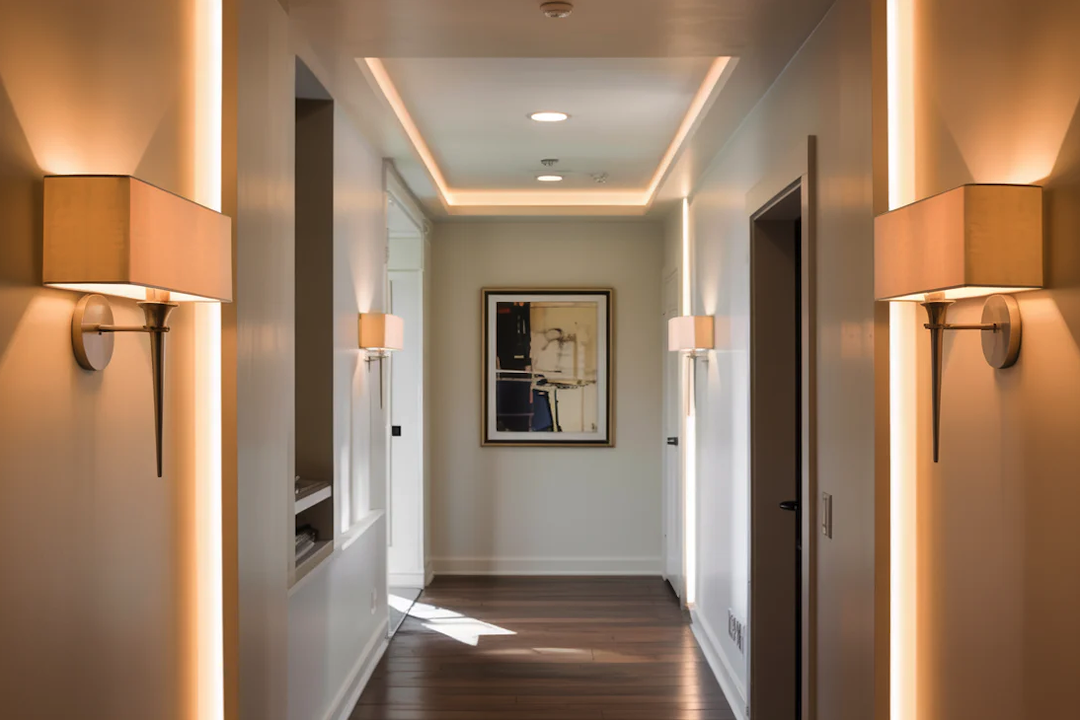
Sconces that emit light both upwards and downwards create a balanced spread. The light bouncing off the ceiling and the floor helps to fill the space with a gentle, ambient glow. This is often the most effective strategy for achieving that sought-after softness.
Placement Strategies for Maximum Impact
Simply hanging a sconce isn’t enough. Where you place it in your narrow hallway makes a world of difference in how the light functions and how the space feels. It’s about strategic placement to maximize the benefits of soft illumination.
Spacing is Key
The distance between sconces is not an arbitrary decision. Proper spacing ensures that the light from each fixture overlaps slightly, creating a continuous wash of illumination rather than isolated pools of light.
Balancing Light Intensity
Consider the throw of the light from each sconce. If they are too far apart, you’ll have dark patches. If they are too close, the light might become redundant and overly bright in certain spots. Aim for a gentle overlap.
Visual Rhythm
The spacing of sconces can also create a visual rhythm that guides the eye down the hallway. Consistent spacing lends a sense of order and flow.
Height Considerations
The height at which you mount your sconces is directly related to how the light will interact with the walls and ceiling, and it importantly affects how much you might bump into them.
Avoiding Eyeline Glare
Mounting sconces slightly above eye level is generally a good practice. This prevents direct glare as you walk past and allows the light to diffuse downwards and upwards more effectively.
Accentuating Architectural Features
If your hallway has interesting moldings or textures, the height of the sconces can be used to highlight these elements with subtle shadows and light. Experimentation might be needed to find the sweet spot that showcases these details without creating harsh contrasts.
Working with Existing Architecture
Don’t fight your hallway’s existing features; work with them. Corners, doorways, and alcoves are all opportunities to enhance your lighting plan.
Illumination at Corners
Placing a sconce just before a corner can help to soften the visual break and make the turn feel less abrupt. It can also prevent a dark, shadowy nook from forming.
Lighting Around Doorways
Consider placing sconces to either side of doorways that lead into your hallway. This can create a sense of opening up the space and making the transition into and out of the hallway more inviting.
Types of Bulbs and Their Impact on Softness
The bulb you choose for your sconce is as important as the fixture itself. The color temperature and lumen output significantly influence the quality of light.
Color Temperature: Warmth Matters
Color temperature is measured in Kelvin (K) and describes how warm or cool the light appears. For soft illumination, warmer tones are generally preferred.
Soft White (2700K-3000K)
This range provides a cozy, inviting light that mimics incandescent bulbs. It’s ideal for creating a comfortable atmosphere and is excellent for avoiding harshness in a narrow space.
Avoid Cool Whites and Daylight Bulbs
While bright, these bulbs can make a narrow hallway feel clinical and even more enclosed. They tend to emphasize shadows and can be quite jarring.
Lumen Output: Less is Often More
Lumens measure the brightness of a light source. In a narrow hallway, you don’t need to illuminate a vast space.
Lower Lumen Bulbs for Subtle Lighting
Opt for bulbs with lower lumen outputs, typically in the 400-800 lumen range per fixture, depending on the size of your hallway and the desired effect. This prevents the light from becoming overpowering and helps maintain that soft glow.
Dimmable Options for Versatility
The ability to dim your sconces offers incredible flexibility. You can adjust the light level for different times of day or for specific moods. This is a practical feature that ensures you always have the right amount of light without sacrificing softness.
Maximizing Softness with Fixture Design
The physical design of the sconce fixture itself is a primary driver of soft illumination. It’s not just about the bulb, but how the light is contained and directed by the fixture.
Shade Styles for Diffusion
As mentioned before, the shade is a critical component. Different shade styles cater to different levels of diffusion.
Drum Shades
These cylindrical shades provide a uniform diffusion of light all around. They are a classic choice that works well for spreading light evenly.
Bell or Empire Shades
These styles, often with a wider base, can direct light more downwards and outwards, creating a pleasing wash on walls and floors.
Lantern or Caged Designs (with inner diffusion)
Some lantern or caged designs can also work, but it’s crucial they have an inner frosted glass or diffuser to prevent harsh hotspots. The outer cage provides decorative appeal.
Material Finishes and Their Influence
The materials and finishes used in a sconce can subtly affect how light is reflected and perceived.
Matte Finishes
Matte finishes on metal components of the sconce tend to absorb light rather than reflect it aggressively, contributing to a softer overall effect.
Opal or Frosted Glass Components
Any glass elements within the fixture, whether it’s the main shade or a decorative accent, should ideally be opal or frosted to ensure diffusion.
Bi-Directional Light Sources
Fixtures designed to cast light both up and down are excellent for narrow hallways.
Creating a Balanced Glow
This dual-directionality spreads light across a wider area. The upward light contributes to ceiling height perception, while the downward light provides functional illumination for the walkway.
Avoiding Direct Downward Beams
Even with downlighting, look for designs that diffuse the beam rather than create a sharp, direct spotlight. A slight angle or a more diffused lens can make all the difference.
When to Consider Other Lighting in Conjunction with Sconces
While soft illumination from narrow hallway wall sconces is a fantastic primary solution, it doesn’t have to be the only lighting. Sometimes, a little supplementary light can enhance functionality and your overall lighting scheme.
Task Lighting for Specific Needs
Depending on the length and function of your hallway, you might need a touch more light in certain areas.
Near a Mirror or Artwork
If you have a mirror or a gallery of artwork in your hallway, a slightly brighter or more directed light source might be beneficial. This could be a small, focused sconce or even a subtle track light aimed specifically at these areas.
For a Small Entryway Niche
If your hallway includes a small alcove for keys or mail, a small, controlled light might be useful for functionality.
Accent Lighting for Architectural Interest
Soft illumination is great for ambiance, but sometimes you want to draw attention to specific features.
Highlighting Textured Walls
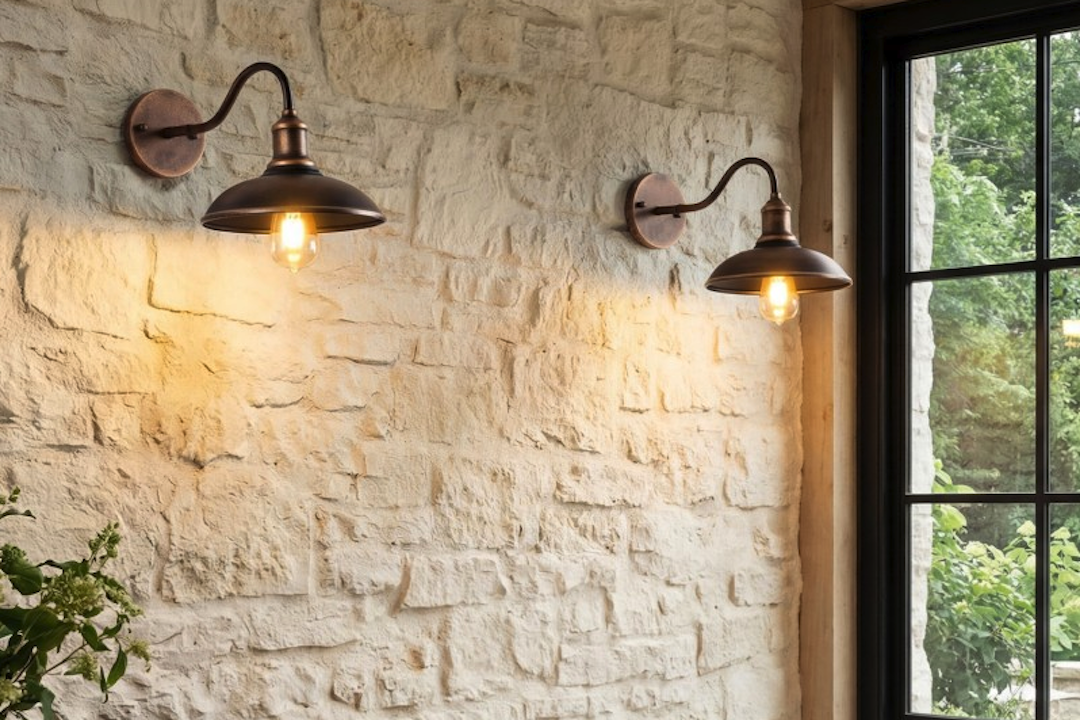
If your hallway walls have interesting textures, a subtly directed accent light can bring them to life by creating gentle shadows.
Drawing Attention to Decorative Elements
Beyond artwork, perhaps you have a unique bannister or architectural detail. Accent lighting can be used to gently spotlight these elements without overpowering the overall soft mood.
The Power of Dimmers
As mentioned before, dimmers are your best friends in a narrow hallway. They allow you to dial down the illumination from any supplemental lights so they don’t compete with or overpower the soft, ambient glow from your main sconces.
Final Thoughts on Creating Your Ideal Hallway Light
The goal with narrow hallway lighting is to create a space that feels both functional and inviting. Soft illumination from well-chosen wall sconces is a highly effective way to achieve this. It’s about embracing diffused light, strategic placement, the right bulb temperatures, and fixture designs that prioritize gentle radiance over harsh brightness. By paying attention to these details, you can transform your narrow hallway from a mere passageway into a pleasing extension of your home’s living space.