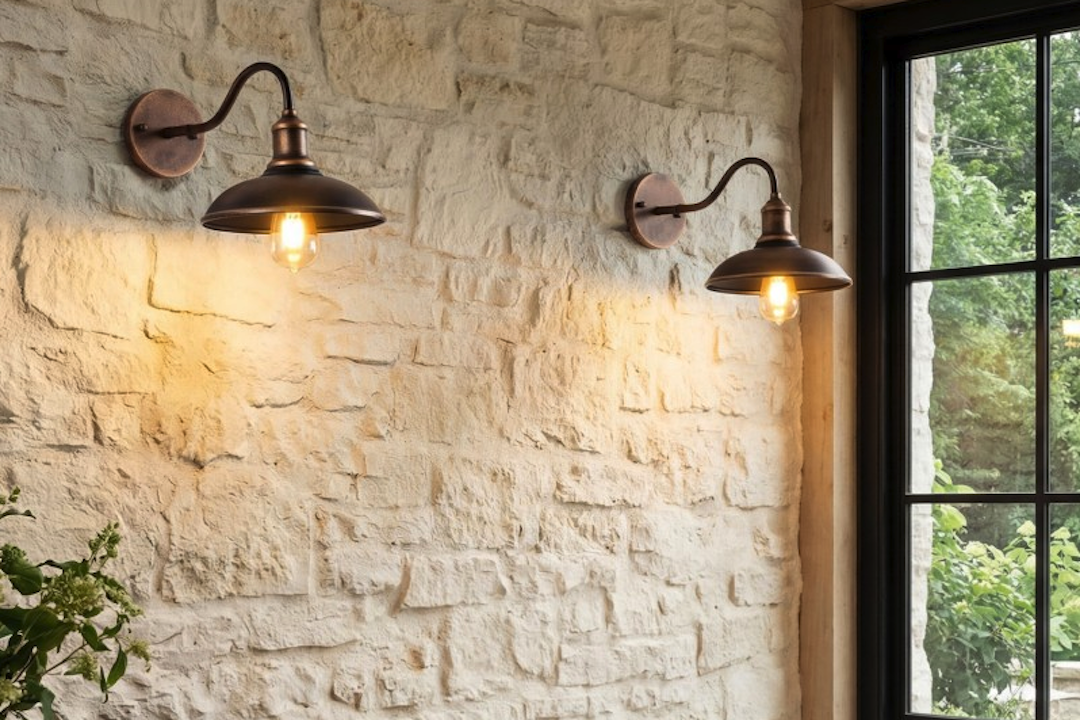
Thinking about adding a stylish industrial matte black gooseneck wall light to your porch? You’re in luck, because these fixtures are a fantastic way to boost both the look and functionality of your outdoor space without a huge fuss. They offer that sought-after modern industrial vibe while being practical for everyday use.
The Allure of Industrial Matte Black
Matte black, especially in an outdoor setting, has a way of looking effortlessly cool. It doesn’t scream for attention but rather adds a sophisticated depth that complements a wide range of architectural styles.
Why Matte Black Works So Well Outdoors
- Timeless Appeal: Unlike trends that come and go, matte black has a classic, almost utilitarian feel that keeps it relevant for years. It’s the kind of color that ages gracefully.
- Versatility: Whether your home is modern minimal, rustic farmhouse, or even a bit more traditional, a matte black fixture can surprisingly blend in. It acts as a neutral anchor that allows other design elements to shine.
- Durability Perception: While not a direct property of the color, matte finishes often give a more substantial, robust impression compared to shiny surfaces. This aligns well with the industrial aesthetic.
- Reduces Glare: The non-reflective nature of matte black is a practical benefit outdoors. It means less harsh glare when the light 88off is on or even when the sun hits it directly.
What “Industrial” Really Means Here
When we talk about “industrial” design in this context, it’s not about exposed pipes and raw concrete (though it can incorporate those elements). For outdoor lighting , it usually translates to:
- Robust Construction: Think sturdy metal bodies, often with thicker gauge materials.
- Simple, Functional Forms: Designs that prioritize utility and ease of use. You won’t find overly ornate details.
- Visible Hardware: Sometimes exposed screws or robust mounting plates are part of the charm, hinting at its practical origins.
- Earthy or Neutral Color Palettes: Matte black fits perfectly into this, alongside brushed metals, dark grays, and natural wood tones.
Gooseneck Design: Form Meets Function
The “gooseneck” aspect of this light isn’t just a stylistic choice; it’s a functional design element that offers real advantages for outdoor lighting. The curved arm of the gooseneck allows for precise placement of the light source.
Practical Placement Power
- Adjustable Coverage: The curve allows you to direct the light downwards and outwards more effectively. This is crucial for lighting pathways, steps, or even just creating an inviting ambiance on your porch without blinding anyone.
- Clearance from Walls: The extended neck moves the light head away from the wall. This can be important for a few reasons:
- Preventing Heat Buildup: For certain types of bulbs, keeping them a little further from the structure can help with heat dissipation, though this is less of a concern with modern LEDs.
- Reducing Shadows: It can help to cast light more evenly across a wider area, minimizing harsh shadows directly beneath the fixture.
- Aesthetic Balance: The curve itself adds visual interest and can balance the visual weight of the fixture against your home’s facade.
The Gooseneck Aesthetic
- Classic Signage Style: This design echoes the look of classic barn lights or vintage gas station lighting, bringing a touch of timeless Americana to your home.
- Elegant Curve: While industrial, the gooseneck offers a graceful curve that can soften the overall look, making it feel less stark than a straight, utilitarian fixture.
Material Matters: Durability for the Outdoors
Outdoor lights have a tough job. They have to withstand sun, rain, wind, and sometimes even snow. The materials used are critical to ensuring your stylish fixture lasts for years.
Common Materials and What to Look For
- Die-Cast Aluminum: This is a popular choice for outdoor fixtures. It’s lightweight, rust-resistant, and can be molded into intricate designs. It’s also generally very durable against the elements.
- Steel (Galvanized or Powder-Coated): Steel can be a very strong option, especially when properly treated to prevent rust, like through galvanization or a high-quality powder coating. Matte black finishes are frequently applied over these base materials.
- Brass: While less common for a purely “industrial” look, brass can be used, especially in higher-end models. It offers excellent corrosion resistance, though it can be pricier.
What “Weather-Resistant” Actually Means
When a product description says “weather-resistant” or “durable for outdoor use,” here’s what they generally mean:
- Corrosion Resistance: The material itself resists rust and degradation from moisture.
- UV Resistance: Finishes are designed not to fade or chip due to prolonged sun exposure.
- Sealant Quality: The housing and any joints should be well-sealed to prevent water ingress, protecting the electrical components. Look for an IP rating if available.
Lighting Your Way: Function and Aesthetics
Beyond just looking good, the primary purpose of your porch light is to illuminate your outdoor space. The gooseneck design, combined with the right bulb, can achieve this beautifully.
Beam Spread and Angle
- Downward Illumination: The gooseneck’s curve naturally directs light downwards. This is perfect for illuminating a porch floor, steps, or seating area without creating upward glare into windows or the night sky.
- Spill Light: While directed downwards, there will always be some “spill” light. The width of this spill will depend on the fixture’s shade design and the bulb used. A wider shade will typically create a broader pool of light.
- Focus vs. Ambiance: You can choose bulbs that offer a more focused beam for task lighting (like near a door handle) or a softer, more diffused light for general ambiance.
Bulb Choices: LED is Your Friend
When choosing a bulb for your new fixture, LED is almost always the way to go.
- Energy Efficiency: They use significantly less electricity than incandescent or halogen bulbs, saving you money on your energy bills.
- Long Lifespan: LEDs last much, much longer, meaning fewer bulb changes – a definite plus for those hard-to-reach outdoor fixtures.
- Color Temperature: LEDs come in a range of color temperatures, often described as “warm white” (around 2700K-3000K) which mimics incandescent light and creates a cozy atmosphere, or “cool white” (4000K+) which is brighter and more neutral. For most porches, warm white is preferred for a welcoming feel.
- Dimmable Options: Many LEDs are dimmable. If your fixture is wired for a dimmer switch, this gives you incredible control over the brightness and mood.
Installation and Placement: Getting it Right
Putting your new light where it’s most effective and looks best is key.
Where to Hang Your Gooseneck
- Porch Entrance: This is the most common and practical spot. It illuminates where visitors first arrive, making it safer and more welcoming.
- Over a Doorway: Centering it above your main entry door is a classic choice.
- Alongside a Walkway: If your porch is wide or wraps around, placing them at intervals along the edge can light the path.
- Adjacent to Seating Areas: If you have a porch lounger or seating nook, a light nearby can extend its usability into the evening.
Mounting and Safety Considerations
- Junction Box: The light will need to be connected to a power source, typically via a junction box already present in your exterior wall. If you don’t have one, an electrician will be needed.
- Weatherproofing Connections: Ensure all electrical connections are properly insulated and sealed to prevent water damage.
- Height: For a porch entrance, a common height is around 60-70 inches from the ground to the bottom of the fixture. This is high enough to clear most heads but low enough to provide effective light. Adjust based on your specific porch dimensions and needs.
- Professional Installation: If you’re not comfortable with electrical work, hiring a qualified electrician is always the safest and best option. It ensures the light is installed correctly and safely, meeting local building codes.
Beyond the Basic: Enhancing Your Industrial Style
Once you have your stylish matte black gooseneck light, there are ways to further integrate it into your overall outdoor aesthetic.
Complementary Decor Elements
- House Numbers: Consider matte black house numbers to tie in with the fixture.
- Door Hardware: If your doorknob, kick plate, or mail slot are in a dark finish, this will create a cohesive look.
- Planters: Matte black planters or planters with black accents can echo the light’s color.
- Outdoor Furniture: Furniture with black frames or black upholstery details will help carry the theme.
Textures and Materials
- Wood Tones: The deep matte black contrasts beautifully with natural wood features like a wooden porch ceiling, railings, or planters.
- Brick or Stone: If your home has brick or stone elements, the matte black will provide a sharp, modern counterpoint.
- Metal Accents: Other brushed or dark metal elements in your landscaping or small decor items can work well.
The Vibe You Want to Create
- Welcoming Entrance: The primary goal is often to make your entryway feel inviting and safe. The warm glow of a well-placed light achieves this.
- Subtle Sophistication: The industrial matte black provides a modern, sophisticated edge without being ostentatious.
- Functional Art: These lights aren’t just functional; the gooseneck shape and matte black finish add a deliberate design element to your home’s exterior.
By considering these aspects, from the practicalities of materials and placement to the aesthetic of the industrial matte black and the gooseneck design, you can select and install a porch light that not only illuminates your space but also significantly enhances its curb appeal.